
Keep your dog happy and healthy during unpredictable weather

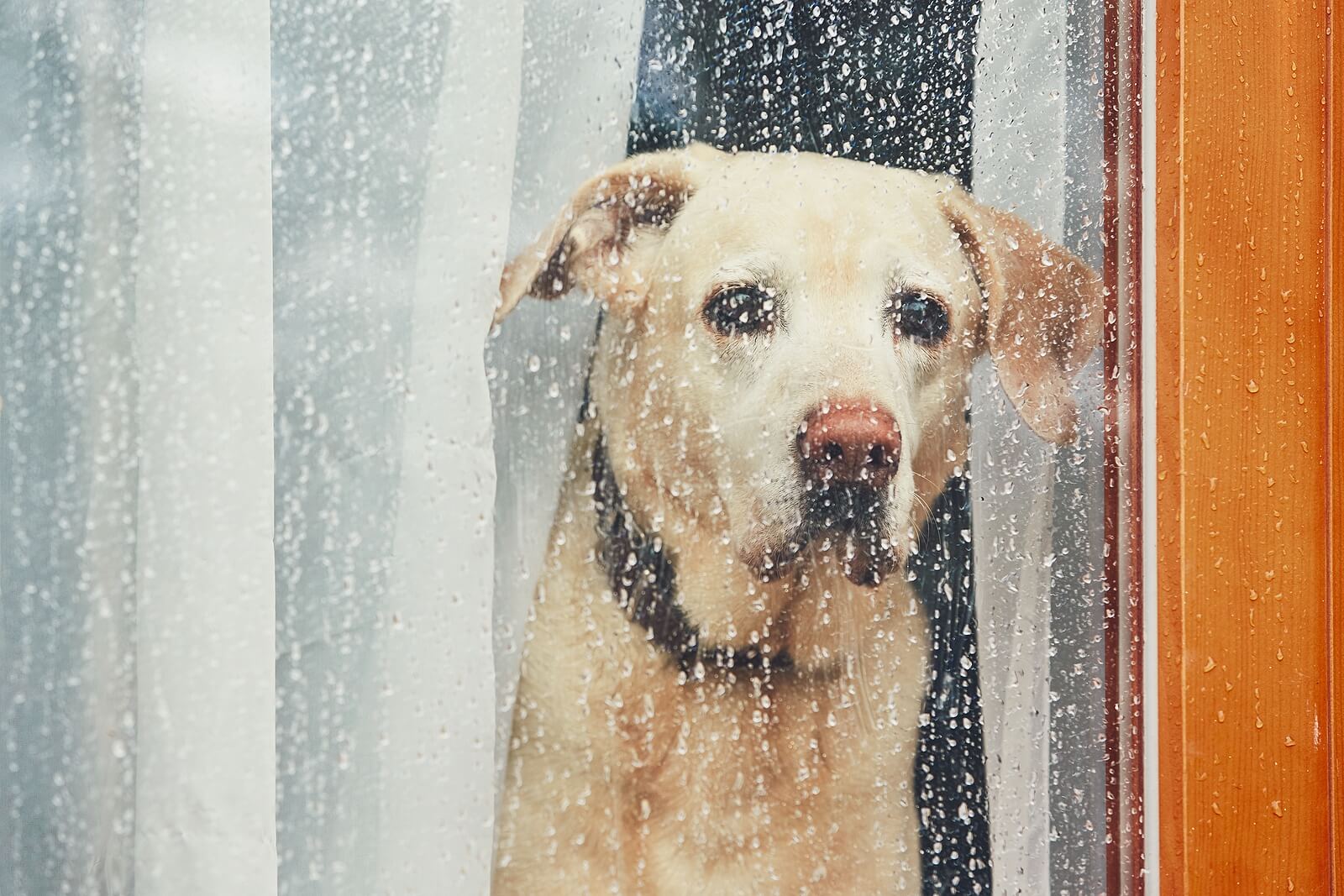
When the weather turns gloomy—whether it’s pouring rain, unexpected snow, or scorching heat (as we’ve seen in just the last few weeks of March in Chicagoland) it can be tough on our dogs. Walks get shorter (or skipped altogether), energy builds up, and boredom can sneak in fast. But staying indoors doesn’t have to mean a dull day for your pup. With a little creativity, you can turn a dreary day into a fun and enriching experience for your dog.
German Shepherd sitting in a field

Make Indoor Playtime Count

Just because you’re inside doesn’t mean your dog can’t burn off energy. Clear a bit of space and engage in games like tug-of-war, fetch (with soft toys), or even a gentle game of chase. Rotating toys instead of leaving them all out at once can also keep things feeling fresh and exciting.

Challenge Their Mind

Mental stimulation is just as important as physical exercise. Puzzle toys, treat-dispensing games, or simple hide-and-seek with their favorite snack can keep your dog occupied and satisfied. You can even hide treats around the house and encourage your dog to “hunt” for them—it taps into their natural instincts and provides a rewarding challenge.

Teach New Tricks

Bad or unpredictable weather is the perfect excuse to work on training. Whether it’s basic commands or fun tricks like rolling over or spinning, short training sessions can help reinforce good behavior while strengthening your bond. Keep sessions upbeat and reward-based to maintain enthusiasm.

Create a Cozy Retreat

Dogs can feel the effects of gloomy weather just like we do. Make sure they have a comfortable, warm place to relax. A soft bed, a favorite blanket, or even a quiet corner can help them feel safe and content. Adding a long-lasting chew or toy can make this space even more inviting.

Incorporate Scent Work

Dogs experience the world through their noses, so scent games are a fantastic indoor activity. Try hiding treats in a towel, a snuffle mat, or even inside cardboard boxes. This kind of enrichment can be surprisingly tiring, in the best way.

Stick to a Routine

Even when the weather disrupts your usual schedule, maintaining a consistent routine helps your dog feel secure. Feed them at the same times, plan indoor play sessions, and keep bedtime consistent. Predictability goes a long way in keeping your dog calm and happy.

Don’t Forget Bathroom Breaks

If outdoor time is limited, make quick, purposeful trips outside when possible. For extreme weather days, consider indoor potty solutions if appropriate for your dog. Always prioritize their comfort and safety.

Quality Time Matters Most

At the end of the day, what your dog wants most is time with you. Whether it’s cuddling on the couch, grooming, or simply sitting together, your presence provides reassurance and joy.

Bad or unpredictable weather might change your plans, but it doesn’t have to dampen your dog’s spirits. With a little effort and creativity, you can turn any indoor day into an opportunity for fun, learning, and connection.
Spring is almost here! Outdoor fun and training activities for your dog

Spring is near in Chicagoland! The snow has melting, the trails are drying out, and longer days mean more time to get outside with your dog. After months of quick walks in freezing temps, both you and your pup are ready to stretch your legs and refresh those training skills.

Training should feel like something you get to do together — not something you have to do. Spring in Chicagoland gives you the perfect backdrop to build focus, confidence, and connection.

Here are the best outdoor springtime training activities for dogs.

German Shepherd sitting in a field

1. Backyard Recall Games (With Real-World Distractions)

As birds return and neighborhood activity ramps up, your backyard becomes the perfect training ground.

How to practice:

  • Use a 15–30 ft long line for safety.

  • Let your dog explore.

  • Call their name + “Come!” in a cheerful tone.

  • Reward generously when they return.

Make it fun. Run backward. Celebrate big. Be more exciting than the environment.


2. Focus Work at Local Forest Preserves

Chicagoland is packed with incredible green space. Early spring is a sweet spot before summer crowds hit.

Great options include:

  • Herrick Lake Forest Preserve

  • Blackwell Forest Preserve

  • Fabyan Forest Preserve

Set up at a comfortable distance from trails and practice:

  • Loose leash walking

  • “Watch me” focus cues

  • Sit/down stays

  • Calm observation of passing joggers and cyclists

Keep sessions short (5–10 minutes). End on a win. The goal is steady progress, not perfection.


3. Spring Scent Hunts in the Park

As the ground thaws, smells explode — and that’s a gift for your dog’s brain.

Try this:

  • Hide treats in grass or along tree lines.

  • Use a cue like “Find it!”

  • Let your dog work independently.

This is especially great in quieter corners of preserves or local parks in St. Charles or Glen Ellyn.

Scent games build confidence, reduce anxiety, and tire your dog out mentally (often more effectively than a long walk).


4. DIY Agility at Neighborhood Parks

You don’t need formal equipment to create a spring obstacle course.

Use:

  • Low park benches for “pause” practice

  • Small logs for stepping over

  • Cones or water bottles for weaving

  • A portable mat for “place” work

If you’re near the Illinois Prairie Path, you’ll find open grassy areas perfect for safe setup (away from heavy bike traffic).

Keep jumps low and gradual — winter muscles need conditioning.


5. Hiking With Purpose

Spring hiking is about more than exercise. It’s about practicing skills in motion.

Work on:

  • Loose leash walking

  • Checking in naturally

  • Ignoring wildlife

  • Calm behavior when other dogs pass

Early mornings are ideal for lower distraction levels if your dog is still building skills.


6. Outdoor “Place” Training for Patio Season

Patio season is coming to the western suburbs. Farmers markets, outdoor cafés, and local events mean more opportunities to practice calm settling.

Start in your yard:

  • Place a mat down.

  • Cue “Place.”

  • Reward for lying calmly.

Then gradually work up to busier environments.

This skill makes summer outings dramatically more enjoyable — for both of you.


7. Structured Play Dates

As the weather warms up, dog social opportunities increase.

Instead of just letting dogs “figure it out,” use play dates to practice:

  • Calling your dog away mid-play

  • Rewarding calm re-engagement

  • Reinforcing polite greetings

Structured social time builds impulse control and responsiveness, even when excitement is high.


Spring Safety in the Chicago Area

A few seasonal reminders specific to the western suburbs:

  • Watch for muddy trails — slipping can cause injuries.

  • Check for ticks after forest preserve visits.

  • Bring water; spring days can warm up quickly.

  • Be mindful of goose activity near ponds (many dogs find them very exciting).


Make This Spring About Connection

Chicagoland gives you endless options for outdoor training. The key isn’t doing more — it’s doing small things consistently.

Short sessions. Clear rewards. Celebrate progress.

When training feels like shared adventure instead of obligation, your dog learns faster — and you both enjoy the season more.

Here’s to fresh air, muddy paws, and a spring full of growth.

Dog Park Etiquette – keep your dog happy, social and safe!

Taking your dog to the park can be an incredibly enjoyable experience for both of you. The fresh air, open spaces, and the opportunity for your dog to interact with others can bring out their best behavior, while giving you a chance to relax and enjoy the outdoors. However, just like any shared public space, dog parks come with their own set of rules and etiquette that everyone should follow to ensure that both dogs and their owners are safe, happy, and respectful.

Here are some essential tips for dog park etiquette, along with strategies to help keep your dog social, happy, and safe:

Keep your dog happy and healthy in winter!

1. Know Your Dog’s Personality and Play Style

Before heading to the dog park, it’s important to understand your dog’s temperament and how they react to other dogs. Not every dog enjoys rough play, and some may feel overwhelmed or anxious in a crowd of unfamiliar dogs. If your dog is shy or overly excitable, a quieter park or a designated small-dog area might be a better choice. On the other hand, if your dog is confident and enjoys playing with others, the main area could be a good fit.

2. Keep Your Dog on a Leash (Until Inside the Park)

Most dog parks have rules that require dogs to be on a leash when entering and exiting the park. This is for safety reasons, as it allows you to maintain control of your dog and helps avoid any altercations with other dogs before entering the designated play area. Once inside the park, however, allow your dog to roam free and socialize (unless there are specific leash rules within the park).

3. Observe Park Rules and Regulations

Every dog park has its own set of rules, from age and size restrictions to hours of operation and vaccination requirements. These rules are put in place to ensure that everyone has a safe and enjoyable experience. Always check and follow them—especially vaccination and spaying/neutering requirements, as they help reduce the risk of disease transmission and aggressive behavior.

4. Pick Up After Your Dog

While this is a basic courtesy, it cannot be emphasized enough. Always bring waste bags and promptly clean up after your dog. Keeping the park clean not only ensures a pleasant environment for all visitors, but it also prevents the spread of parasites or infections that can be harmful to other dogs. Leaving waste behind is not just a breach of etiquette, but also inconsiderate and unsanitary.

5. Monitor Your Dog’s Play

While dog parks are great for socializing, it’s important to keep an eye on your dog at all times. Play can quickly escalate into rough or aggressive behavior, and sometimes, dogs need an owner’s intervention to calm things down. If your dog is being too rough, or if you notice a dog becoming uncomfortable or showing signs of aggression, it’s best to step in and remove your dog from the situation. Always have a leash handy for quick exits if needed.

6. Respect Other Dogs’ Space

Just like humans, dogs have different social preferences. Not every dog will want to engage with others, and it’s important to respect those boundaries. If you see a dog that is trying to avoid another or seems uncomfortable, do not force interaction. Likewise, if your dog is becoming overly focused on one particular dog, gently redirect their attention and allow the other dog to have some space. Also, keep an eye out for any signs of dominance or bullying, as these behaviors should be managed quickly.

7. Avoid Bringing Food or Treats

Most dog parks prohibit bringing food or treats into the play area, and for good reason. Dogs can become possessive over food, and introducing treats can cause fights, anxiety, or unwanted attention. If you want to give your dog a treat, save it for after the park, and avoid having food out while others are playing.

8. Be Prepared for the Unexpected

Dog parks can be unpredictable. Sometimes, even well-behaved dogs can get into scuffles, and some days may be more chaotic than others. Bring a calm attitude, be prepared for minor disagreements (which usually resolve quickly), and stay relaxed. If you find that a particular group of dogs isn’t a good match for yours, it may be best to try visiting at a different time or on a different day.

9. Keep Your Dog Socialized Outside of the Park

While dog parks are a great place for socializing, they shouldn’t be the only place where your dog interacts with other dogs. Regularly expose your dog to new environments, people, and dogs in smaller, controlled settings. Arrange playdates with friends’ dogs, or join group training classes. This helps your dog become well-rounded and less likely to develop behavioral issues like fear or aggression in social situations.

10. Watch for Signs of Fatigue or Stress

Dogs can easily become overwhelmed in busy environments, and it’s essential to know when to call it a day. If your dog is showing signs of fatigue, stress, or overstimulation—such as excessive panting, whining, or trying to hide—it’s time to leave. On the flip side, if your dog is still energetic and playing well with others, feel free to stay a bit longer. Regular breaks and proper hydration are key to maintaining a fun and safe visit.

11. Respect Other Owners

Remember, the dog park isn’t just for the dogs—it’s a space for dog owners to connect as well. Be respectful of other owners by keeping conversations polite, not hovering too closely to others, and being mindful of personal space. If a dog owner seems uncomfortable or requests space, respect their wishes and move away. Everyone is there to enjoy their time with their dogs, so fostering a friendly and considerate atmosphere benefits all.


Dog parks are wonderful places for both dogs and their owners to socialize, exercise, and bond. By following these simple etiquette tips and remaining aware of your dog’s needs, you’ll ensure that the experience remains positive and fun for everyone. Always remember that proper preparation, observation, and respect are key to a successful dog park visit. With these tools in hand, you’ll be ready to enjoy a fun, safe, and rewarding day out with your furry friend.

Happy park adventures! 

Busy Paws, Happy Home

Keeping a hyperactive dog engaged, especially when you’re not at home, is a challenge many pet owners face. These energetic companions have boundless energy, and without proper outlets, they can quickly become bored and even destructive. Understanding how to provide both mental and physical stimulation is key to maintaining their happiness and well-being. This blog post will guide you through practical strategies to keep your hyperactive pup entertained and content, even when you’re away.

German Shepherd sitting in a field

Understanding Your Dog’s Behavior

Dogs, much like humans, have varying energy levels. Hyperactivity in dogs is characterized by excessive energy that seems impossible to deplete. Recognizing the difference between normal energetic behavior and true hyperactivity is crucial. Hyperactive dogs often exhibit restless behavior, destructive chewing, and an inability to settle down. Identifying these signs helps in addressing their needs more effectively.

Hyperactivity can be influenced by breed, age, and individual personality. Breeds like Border Collies and Dalmatians are naturally high-energy, while younger dogs typically have more zest than older ones. It’s important to assess whether your dog’s behavior is due to insufficient exercise or an underlying health issue. Consulting a veterinarian is recommended if you suspect the latter.

Once you’ve recognized hyperactivity, it’s time to channel that energy into productive activities. Understanding your dog’s behavior is the first step in creating an environment that caters to their unique needs.

Creating a Safe Space

Creating a safe and engaging environment for your dog at home is essential. Dogs need a space where they can explore and play without getting into trouble. Start by designating a specific area in your home as their play zone. Ensure this area is free of hazards and filled with toys and activities that stimulate their senses.

Consider incorporating interactive elements such as treat-dispensing toys and puzzles. These keep them occupied and mentally engaged. Additionally, rotating toys regularly prevents boredom and keeps their interest piqued.

Safety is paramount. Remove any items that could be harmful if chewed or swallowed. Ensure that electrical cords and toxic plants are out of reach. By doing so, you provide a secure space where your dog can safely burn energy while you focus on other tasks.

Interactive Toys and Games

Interactive toys and games are a wonderful way to keep your dog entertained and mentally stimulated. These toys challenge your dog’s mind, helping to tire them out more effectively than physical exercise alone. Look for toys that require problem-solving, such as treat-dispensing balls and puzzle boards.

Kong toys, for instance, can be stuffed with treats or peanut butter, providing both a tasty reward and a mental challenge. Similarly, snuffle mats encourage natural foraging instincts, keeping your dog engaged as they search for hidden treats.

Games like hide-and-seek or treasure hunts are excellent ways to engage your dog. Hide treats around the house and encourage your dog to find them, providing a mental workout that leaves them satisfied and tired.

Regular Exercise

Regular exercise is vital for any dog, but especially for those with boundless energy. Daily walks, runs, or play sessions help burn off excess energy and reduce hyperactivity. Aim for at least 30 minutes to an hour of rigorous exercise each day, depending on your dog’s breed and age.

Varying your dog’s exercise routine keeps things interesting. Mix up walks with trips to the dog park or hikes in nature. Fetch, tug-of-war, and agility courses are excellent options for physically engaging your dog while also fostering a strong bond.

Consistent exercise not only tires out your dog but also promotes overall health and well-being. Remember, a tired dog is a happy dog, so make exercise a staple in your daily routine.

Doggy Daycare and Professional Walkers

If your schedule doesn’t allow for ample exercise, consider enrolling your dog in a daycare or hiring a professional walker. Doggy daycare provides a supervised environment where your dog can interact with other dogs, engage in structured play, and receive plenty of physical activity.

Professional walkers offer personalized attention and can tailor exercise sessions to your dog’s specific needs. They provide a reliable solution for busy owners who want to ensure their dogs get the exercise and interaction they require.

Both options offer a break from loneliness and boredom, allowing you to focus on your day while knowing your dog is well cared for and entertained.

Training and Mental Stimulation

Training sessions and brain games are excellent ways to tire your dog’s mind. Obedience training not only establishes essential commands but also reinforces good behavior and focus. Incorporating short, fun sessions throughout the day engages your dog mentally and strengthens your bond.

Brain games, such as puzzle toys and scent work, offer mental challenges that keep hyperactive dogs engaged. Teaching new tricks or practicing agility exercises provides mental stimulation and an outlet for excess energy.

Mental stimulation is as important as physical exercise. By incorporating training and brain games, you provide a balanced routine that satisfies both body and mind.

The Role of Routine

Establishing a consistent routine can significantly impact your dog’s behavior. Dogs thrive on predictability, and a structured schedule helps manage their hyperactivity. Create a daily routine that includes set times for meals, walks, play, and rest.

Consistency builds confidence and reduces anxiety, leading to a calmer and happier dog. Ensure that everyone in the household follows the same routine to avoid confusing your dog.

A well-established routine not only benefits your dog but also makes your life as a pet owner more manageable. With routine, both you and your dog know what to expect, allowing for a harmonious living environment.

Final Tips

Keeping a hyperactive dog engaged requires a combination of mental and physical stimulation, a safe environment, and a consistent routine. By understanding your dog’s needs and providing appropriate outlets for energy, you can create a happy and well-adjusted companion.

Remember, every dog is unique. Experiment with different activities and toys to discover what works best for your furry friend. Regularly assess their behavior and adjust your approach as needed.