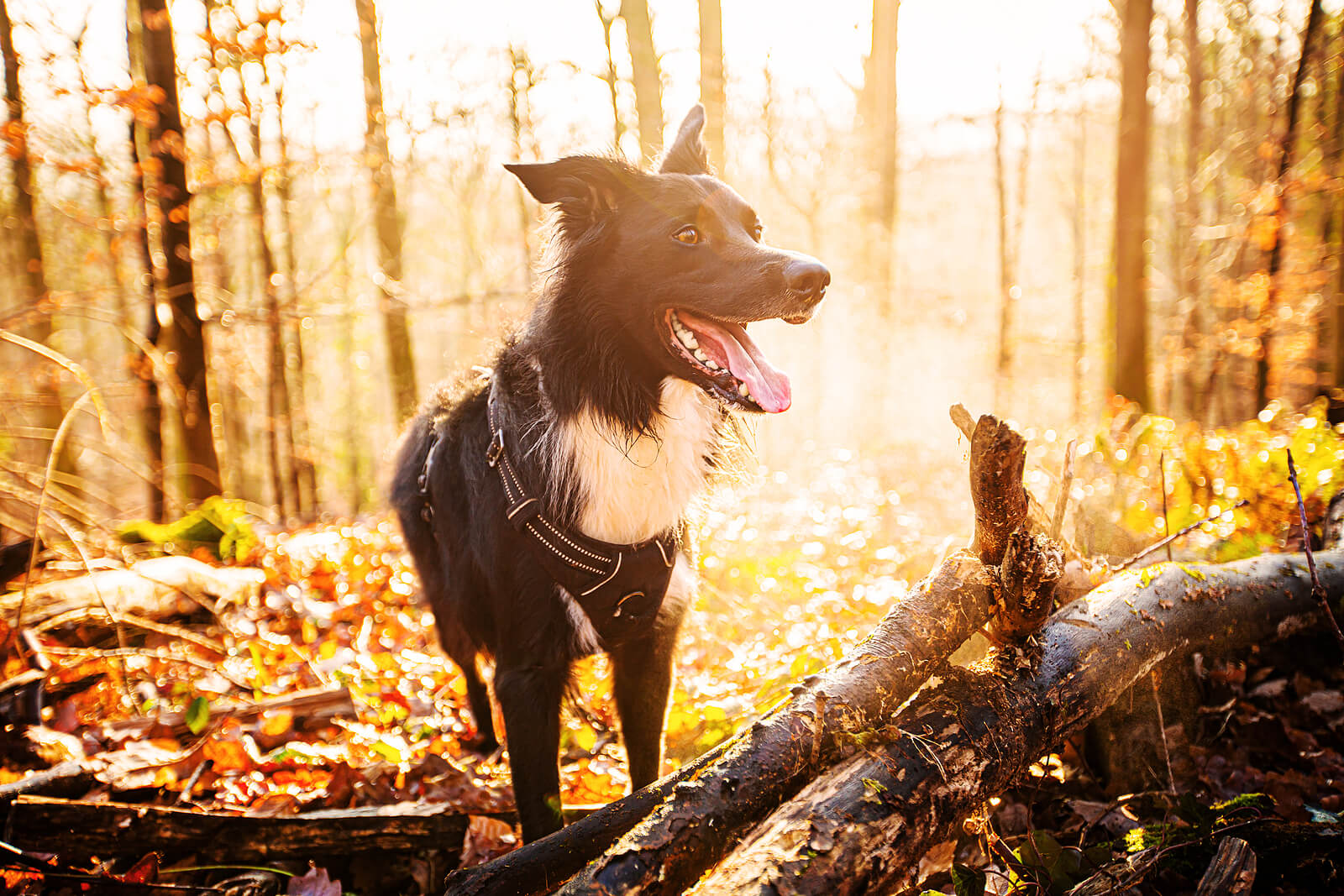
How Ice, Salt, and De-icers Affect Your Dog’s Paws

Winter walks can be magical—fresh snow, crisp air, and an excited pup bouncing along beside you. But while winter looks beautiful to us, it can be surprisingly harsh on your dog’s paws. Ice, road salt, and chemical de-icers are some of the most common (and overlooked) causes of paw irritation and injury during the colder months.

Let’s break down what’s really happening under your dog’s feet—and how you can protect them.
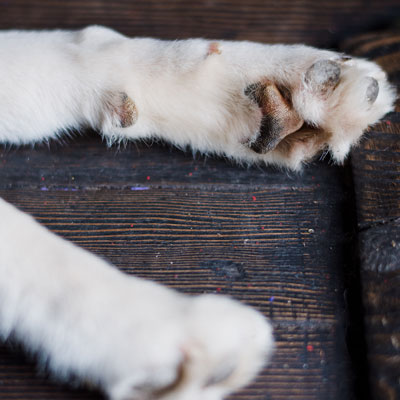
Keep your dog happy and healthy in winter!

Why Dog Paws Are Vulnerable in Winter

Your dog’s paw pads are tough, but they aren’t invincible. Pads are made of fatty tissue and thick skin designed to absorb shock and provide traction. In winter, however, they’re exposed to:

  • Freezing temperatures

  • Sharp ice edges

  • Dry air that causes cracking

  • Chemicals meant to melt ice—not protect skin

Repeated exposure can lead to irritation, pain, and even infection.


The Problem With Ice

Ice may seem harmless, but it can cause several issues:

  • Micro-cuts and abrasions: Rough or jagged ice can scrape paw pads.

  • Ice balls between toes: Snow and ice can clump in the fur between toes, pulling painfully on the skin.

  • Cracked pads: Cold temperatures reduce moisture, making pads dry and prone to splitting.

Dogs may suddenly stop walking, limp, or obsessively lick their paws—often the first signs something is wrong.


Road Salt: Small Crystals, Big Irritation

Traditional rock salt (sodium chloride) is one of the biggest culprits behind winter paw problems.

Why salt is harmful:

  • It dries out paw pads, leading to cracking

  • Sharp crystals can cut into the skin

  • Salt residue can cause redness and chemical burns

  • Dogs often lick their paws, ingesting salt and irritating their mouth or stomach

If you’ve ever noticed your dog lifting their paws repeatedly on a walk, salt is often to blame.


Chemical De-icers: Not All Are Dog-Safe

Many ice-melting products contain chemicals like calcium chloride or magnesium chloride. While effective at melting ice, these substances can be even more irritating than salt.

Possible effects include:

  • Burning or blistering of paw pads

  • Allergic reactions

  • Toxicity if licked or ingested in large amounts

Even products labeled “pet-safe” can cause mild irritation, especially with frequent exposure.


Signs Your Dog’s Paws Are Hurting

Watch for these common symptoms after winter walks:

  • Limping or favoring one paw

  • Excessive licking or chewing at feet

  • Redness, swelling, or cracking

  • Reluctance to walk or go outside

If symptoms persist or worsen, it’s best to check with your veterinarian.


How to Protect Your Dog’s Paws in Winter

The good news? A little prevention goes a long way.

Simple, effective tips:

  • Rinse and dry paws after every walk to remove salt and chemicals

  • Use dog booties for extra protection on icy or heavily salted sidewalks

  • Apply a paw balm or wax before walks to create a protective barrier

  • Trim fur between toes to prevent ice buildup

  • Stick to pet-safe de-icers at home and avoid heavily treated areas when possible

Keeping walks shorter during extreme cold can also reduce exposure.


A Little Care Makes Winter Walks Safer

Winter doesn’t have to mean painful paws. By understanding how ice, salt, and de-icers affect your dog—and taking a few proactive steps—you can keep your pup comfortable, healthy, and happy all season long.

After all, winter walks should end with a wagging tail, not sore feet.
Home for the Pawlidays! Tips to keep your pets happy and safe this holiday season

The holiday season is full of gatherings, decorations, and special meals, but it can also introduce unexpected risks for our pets. With a little preparation, you can keep your dogs and cats safe while still including them in the festivities. Let’s look at key areas of holiday safety, including food hazards, decoration precautions, as well as pet-friendly activities to keep your pets merry!

Keep your dog happy and healthy in winter!

Food Safety: What Your Pets Should Not Eat

Holiday meals bring tempting aromas, and many pets are skilled at begging for a taste. While it may be difficult to resist, several traditional holiday foods can be dangerous for animals. These are the most important items to avoid:

Foods to Keep Away From Pets

  • Chocolate, including cocoa powder and dark varieties

  • Grapes and raisins

  • Onions, garlic, and chives, commonly found in holiday sides and gravies

  • Cooked bones, which can splinter and cause internal injuries

  • Rich or fatty foods such as turkey skin, ham scraps, and buttery dishes

  • Alcohol of any kind, including small spills

  • Artificial sweeteners like xylitol, which are extremely toxic to dogs

  • Raw yeast dough, which can expand in the stomach

Pet-Safe Treat Alternatives

  • Plain, fully cooked turkey meat without seasoning

  • Steamed or cooked vegetables such as carrots, pumpkin, or green beans

  • Holiday-themed treats made specifically for pets


Decoration Safety: Keeping the Holiday Spirit Without the Hazards

Holiday decorations are attractive to pets, who may see them as playthings or snacks. Taking a few precautions can help prevent accidents and injuries.

Christmas Trees

  • Ensure the tree is securely anchored to prevent tipping

  • Keep tree water out of reach, as it may contain fertilizers or bacteria

  • Avoid edible decorations such as popcorn strings or candy canes

Ornaments and Lights

  • Use shatterproof ornaments on lower branches

  • Keep tinsel away from pets; it can cause intestinal blockages, especially in cats

  • Cover or secure electrical cords to prevent chewing

  • Turn off lights when not at home

Candles and Scents

  • Do not leave lit candles unattended around pets

  • Be cautious with diffusers or scented oils, and verify they are safe for animals

Holiday Plants to Avoid

Many common holiday plants can cause digestive upset or toxicity in pets, including poinsettias, mistletoe, holly, and lilies. Consider substitutes or place them well out of reach.


Holiday Activities Pets Can Safely Enjoy

The holiday season offers many opportunities for pets to participate in family traditions. Here are some pet-friendly ideas that are both fun and safe.

Holiday Walks

Many dogs enjoy the extra stimulation of seasonal lights and new scents. Use reflective gear for nighttime walks.

Homemade Toys

Simple do-it-yourself toys, such as fleece tug ropes or crinkle toys for cats, can be enjoyable and inexpensive.

Pet Stockings

Prepare a small stocking filled with safe toys, treats, or chews. Many pets enjoy “helping” open their gifts.

Quiet Time

With the noise and excitement of the holidays, many pets appreciate peaceful downtime with soft bedding and your company.

Training Games

Short training or trick sessions can help pets burn off extra energy and stay mentally engaged during busy gatherings.


The holiday season is a wonderful time to celebrate with the entire family, including pets. By staying aware of food hazards, decorating with care, and offering safe activities, you can ensure your pets enjoy a comfortable and stress-free holiday.

Cold Weather is coming. Which dogs need more protection?

When the temperature drops and the wind picks up, it’s not just us humans who feel the chill—many dogs do too. Keeping our four-legged friends warm, safe, and comfortable is just as important as making sure they get their exercise and love. Let’s explore why some breeds need extra protection in winter, which breeds are especially vulnerable, and how to keep your dog cozy and healthy when it’s cold outside.

Keep your dog happy and healthy in winter!

Why Some Dogs Need Extra Protection

Coat type, size & body fat

Dogs with short coats, minimal under-fur, little body fat or a slim build lose heat much faster than bulkier, thick-furred dogs. For example:

  • Dogs with short, single-layer coats lack the insulation of double-coated breeds.

  • Small dogs have a higher surface-area-to-mass ratio, so they lose heat faster than larger dogs.

  • Dogs with long legs or bodies close to the ground (like a dachshund) may get colder sooner because they’re nearer cold surfaces or snow.

Activity level and time outside

Even a dog with a thicker coat can get chilled if they sit still in the cold for long, or if there is wind, rain or snow. On very cold, windy or wet days, a walk that’s enjoyable for a hardy breed can be tough for a short-coated dog.

Age, health & environment

Puppies, senior dogs, dogs with health issues, lean-built dogs, or dogs living in drafty places may need extra warmth. Indoor vs outdoor time, wind exposure, and whether paws get salt/ice also matter.


Breeds That Often Need Extra Clothing or Protection

Here are some specific breeds (or types of breeds) that owners should pay special attention to when winter comes:

1. Slender, short-coated breeds

These dogs have little insulation, and tend to get cold quickly.

  • Greyhound – very lean, short coat, minimal body fat.

  • Italian Greyhound – like a mini version, even more vulnerable.

  • Whippet – same idea: sleek, short-haired, minimal insulation.

  • Dachshund – short legs, body closer to cold ground, often shorter coat. 

2. Small toy breeds or hairless / near hairless breeds

Due to size, coat or lack of fur, they often need extra layers.

  • Chihuahua – tiny size + short coat = fast heat loss.

  • Yorkshire Terrier – tiny body, not large-enough to withstand long cold exposures.

  • Chinese Crested Dog – mostly hairless, extremely vulnerable to cold.

3. Short-coated medium/large breeds

Just because a dog is bigger doesn’t mean they automatically tolerate winter best. If their coat is short or thin, they may still need help.

  • French Bulldog – short coat, brachycephalic (flat face) which can make breathing cold air harder; not built for cold. 

  • Boxer – short fur, lean build for a large dog, vulnerable to cold.

  • Miniature Pinscher – very short coat, small build; another that “needs” a winter coat. 


Tips for Keeping Cold-Susceptible Dogs Safe & Warm

Here are some practical tips to implement:

  • Pick the right gear. Look for coats or jackets with insulation, water-resistance, good coverage of belly and chest (especially for dogs closer to the ground) and good fit (not too tight, not too loose).

  • Protect the paws. Ice, snow, salt, and slush can damage paws. Consider booties or paw wax. 

  • Limit exposure when needed. For dogs vulnerable to cold, keep outdoor sessions shorter and stay active so they generate body heat. If you see shivering, lifting paws off cold ground, or general discomfort — go inside.

  • Indoor comfort matters too. Make sure your pup has warm bedding, a draft-free resting spot, and the chance to get out of wind or cold floors.

  • Watch for signs of cold. Shivering, reluctance to walk, lifting paws, heat-seeking (cuddling under blankets), lethargy.

  • Know when extra layering isn’t needed. Some dogs with very thick double coats (e.g., guard or sled breeds) may overheat if you add layers. Tailor your approach to your dog’s build, coat type and health. 


Final Thoughts

While no dog automatically “needs” a coat just because it’s winter, many dogs do benefit from extra protection depending on their breed, build, coat, and the conditions they face. 

If you have a breed listed above (or one similar) and live in a cold climate, investing in a good dog coat, protecting paws and limiting exposure when cold conditions strike is a smart move. Your dog will thank you with warm cuddles and comfortable walks.

Fall Hiking with Your Pup: Top Tips to Keep Your Dog Tick-Free

There’s nothing quite like hitting the trails in the crisp fall air with your furry hiking buddy by your side. As the leaves crunch underfoot and the trees explode in color, it’s easy to forget that fall is also prime time for ticks.

While we often associate ticks with summer, these pesky parasites are just as active in autumn — especially in wooded areas and tall grass. Don’t worry! With a few smart steps, you can keep your dog protected and tick-free all season long.

Keep your dog happy and healthy in winter!

1. Stick to the Trail (And Keep Your Pup Close)

We know it’s tempting to let your dog sniff every log and leap through every pile of leaves, but straying off-trail increases the risk of picking up ticks. Tall grass, brush, and piles of fallen leaves are all tick hangouts.

Tip: Keep your dog on a 6-foot leash and guide them along the center of the trail. It’s safer, cleaner, and easier to manage tick exposure.

2. Pre-Hike Prep: Use a Vet-Approved Tick Preventative

Before heading out on any hike, make sure your dog is protected with a trusted tick preventative. Whether it’s a chewable tablet, a topical treatment, or a tick collar, consistent prevention is your first line of defense.

Talk to your vet to determine the best product for your dog’s age, breed, and activity level.

3. Post-Hike Tick Check (Your Dog AND You!)

When your hike wraps up, don’t head straight for the couch just yet. Take a few minutes to check your pup for ticks — especially in these sneaky spots:

  • Behind and inside the ears

  • Around the eyes and muzzle

  • Under the collar and harness

  • Between the toes

  • Under the front legs and tail

Use your fingers to feel for small bumps and have a tick removal tool or tweezers ready in your pack — just in case.

Pro Tip: Make it part of your post-hike bonding routine. A gentle brush or belly rub doubles as a check and keeps your dog relaxed.

4. Clean-Up Matters

Back at home, do a quick cleanup to help stop any ticks that might’ve hitched a ride:

  • Wipe your dog down with a damp cloth or pet-safe grooming wipe

  • Wash your hands and your pup’s bedding

  • Vacuum areas where your dog lounges after walks

  • Toss your hiking clothes in the dryer on high for 10–15 minutes to kill hidden ticks

These little steps can make a big difference in keeping ticks out of your home.

5. Beware the Leaf Piles

We get it — watching your dog dive into a pile of crunchy leaves is adorable. But fallen leaves are a favorite hiding spot for ticks. Try to limit playtime in large, damp leaf piles, and always do a tick check afterward if your pup can’t resist a leap into the leaves.

6. Know the Signs of Tick-Borne Illness

Even with prevention, it’s good to know the signs that something might be off. Call your vet if your dog shows symptoms like:

  • Fatigue or reluctance to move

  • Limping that comes and goes

  • Loss of appetite

  • Fever

Diseases like Lyme and ehrlichiosis can show up days or weeks after a tick bite — and early treatment is key.


Hike Smart. Stay Tick-Free. Wag More.

Fall is one of the best seasons to explore nature with your dog. With a little awareness and simple prevention, you can soak up every moment without worry.

Springtime Activities with Your Dog – Fun, Safety and Grooming Tips!

As the chill of winter fades away and the flowers begin to bloom, spring is the perfect time to get outside and enjoy the fresh air with your dog. Whether it’s hiking, playing in the park, or simply taking long walks through the neighborhood, there are endless opportunities for fun. However, with the changing season comes the need to consider your dog’s safety, comfort, and grooming needs.

Here are some exciting springtime activities you can enjoy with your furry friend, along with essential safety and grooming tips to keep them happy and healthy.

Keep your dog happy and healthy in winter!

1. Go for Long Walks

Spring brings the perfect weather for leisurely strolls and vigorous walks. Whether it’s a quiet walk around the block or a nature hike, your dog will love the chance to stretch their legs and enjoy the smells of the season.

Safety Tip:

  • Always use a leash during walks, especially in areas with traffic or other potential dangers. Keep your dog on a shorter leash to maintain control and prevent them from running off or getting distracted by wildlife.

  • Remember to bring water for both you and your dog, particularly if you’re walking in warm weather.

Fun Factor:

  • You can make your walks more fun by exploring new routes, visiting dog-friendly parks, or taking a walk near a lake or river where your dog can cool off and play in the water.

2. Picnics in the Park

Nothing says spring like a picnic in the park. Pack a basket with snacks, bring a blanket, and let your dog join in the fun. Many parks are dog-friendly, allowing your dog to run off-leash (where permitted) and interact with other pups.

Safety Tip:

  • Keep your dog close and make sure they’re wearing proper identification (ID tag or microchip) in case they wander off.

  • Be mindful of the food you bring. Avoid feeding your dog human snacks, as certain foods like grapes, chocolate, and onions can be toxic.

Fun Factor:

  • Let your dog roam freely (if the park allows), and bring some toys like a ball or a frisbee for them to chase. It’s a great opportunity for socializing with other dogs as well!

3. Hiking Adventures

For more active dogs, spring is the best time to hit the trails and explore nature. Whether you enjoy an easy hike or a more challenging adventure, dogs are great companions on these journeys. The cooler spring weather makes hiking more comfortable than in the summer heat.

Safety Tip:

  • Make sure your dog is fit for the trail, especially if you plan to hike in more rugged areas. Carry a dog first-aid kit, and check your dog for ticks after the hike, as ticks are more active during the spring months.

  • Use a harness instead of a collar, as it’s gentler on your dog’s neck and provides more control on the trail.

Fun Factor:

  • Many dogs love the challenge of navigating uneven terrain and exploring new smells. Hiking also offers a great workout for both you and your dog, helping to keep your dog fit and healthy.

4. Dog-Friendly Beach Days

If you live near the coast, spring is the ideal time to visit the beach with your dog. Many beaches allow dogs during certain hours, especially in the off-season before the summer crowds arrive. Let your dog splash in the water and chase after waves.

Safety Tip:

  • Bring fresh water for your dog to drink, as saltwater can make them sick if ingested in large amounts.

  • Always keep an eye on your dog near the water, especially if they’re not used to swimming or if there are strong currents.

Fun Factor:

  • Dogs love to dig in the sand, chase a frisbee, or just run along the shore. The beach provides endless fun for your dog to enjoy the outdoors in a new way.

5. Spring Cleaning: Dog Grooming Tips

Spring is also a great time to freshen up your dog’s grooming routine. As the weather warms up, your dog’s coat may begin shedding more, so it’s essential to keep up with grooming to ensure they stay comfortable and free of mats.

Grooming Tip:

  • Brush Regularly: Many dogs shed more in the spring as they prepare for warmer weather. Brush your dog’s coat regularly to remove loose hair and prevent mats, especially if your dog has long fur.

  • Check for Ticks and Fleas: Spring brings an increase in ticks and fleas, especially after rainy weather. Make sure your dog is protected with preventative treatments. Regularly check your dog’s skin for ticks, as they can carry diseases.

  • Bathe Your Dog: After outdoor adventures, give your dog a bath to remove dirt, pollen, and other debris from their coat. Make sure to use a gentle, dog-safe shampoo.

Fun Factor:

  • Turn grooming into a bonding activity. Many dogs enjoy a good brushing session, and it can be a relaxing time for both of you.

6. Agility Training

Spring is an excellent time to get active with your dog in new ways, like agility training. If you’ve never tried agility, it’s a fun way to engage your dog’s mind and body. You can set up an obstacle course in your backyard using cones, tunnels, and jumps, or you can find a local dog agility class.

Safety Tip:

  • Start slow and use positive reinforcement to keep your dog motivated. Make sure your dog is physically ready for agility, especially if they are a senior or have health issues.

Fun Factor:

  • Agility training is not only great physical exercise, but it also strengthens the bond between you and your dog. Plus, it’s mentally stimulating for them, and they’ll love the challenge!

Make the Most of Spring with Your Dog

Spring is a time of renewal, and it’s the perfect season to spend quality time with your dog. Whether you’re hiking, playing at the beach, or simply enjoying a picnic in the park, the season offers endless opportunities for outdoor fun. Just remember to prioritize your dog’s safety with proper identification, hydration, and grooming. Keeping them healthy and comfortable during these outdoor adventures ensures you both have a fantastic time together.

By following these tips and incorporating some fun activities into your spring routine, you’ll create lasting memories with your furry friend while ensuring they stay happy and healthy throughout the season. So, grab a leash, pack some treats, and get outside to enjoy the best that spring has to offer with your dog!

Dog Park Etiquette – keep your dog happy, social and safe!

Taking your dog to the park can be an incredibly enjoyable experience for both of you. The fresh air, open spaces, and the opportunity for your dog to interact with others can bring out their best behavior, while giving you a chance to relax and enjoy the outdoors. However, just like any shared public space, dog parks come with their own set of rules and etiquette that everyone should follow to ensure that both dogs and their owners are safe, happy, and respectful.

Here are some essential tips for dog park etiquette, along with strategies to help keep your dog social, happy, and safe:

Keep your dog happy and healthy in winter!

1. Know Your Dog’s Personality and Play Style

Before heading to the dog park, it’s important to understand your dog’s temperament and how they react to other dogs. Not every dog enjoys rough play, and some may feel overwhelmed or anxious in a crowd of unfamiliar dogs. If your dog is shy or overly excitable, a quieter park or a designated small-dog area might be a better choice. On the other hand, if your dog is confident and enjoys playing with others, the main area could be a good fit.

2. Keep Your Dog on a Leash (Until Inside the Park)

Most dog parks have rules that require dogs to be on a leash when entering and exiting the park. This is for safety reasons, as it allows you to maintain control of your dog and helps avoid any altercations with other dogs before entering the designated play area. Once inside the park, however, allow your dog to roam free and socialize (unless there are specific leash rules within the park).

3. Observe Park Rules and Regulations

Every dog park has its own set of rules, from age and size restrictions to hours of operation and vaccination requirements. These rules are put in place to ensure that everyone has a safe and enjoyable experience. Always check and follow them—especially vaccination and spaying/neutering requirements, as they help reduce the risk of disease transmission and aggressive behavior.

4. Pick Up After Your Dog

While this is a basic courtesy, it cannot be emphasized enough. Always bring waste bags and promptly clean up after your dog. Keeping the park clean not only ensures a pleasant environment for all visitors, but it also prevents the spread of parasites or infections that can be harmful to other dogs. Leaving waste behind is not just a breach of etiquette, but also inconsiderate and unsanitary.

5. Monitor Your Dog’s Play

While dog parks are great for socializing, it’s important to keep an eye on your dog at all times. Play can quickly escalate into rough or aggressive behavior, and sometimes, dogs need an owner’s intervention to calm things down. If your dog is being too rough, or if you notice a dog becoming uncomfortable or showing signs of aggression, it’s best to step in and remove your dog from the situation. Always have a leash handy for quick exits if needed.

6. Respect Other Dogs’ Space

Just like humans, dogs have different social preferences. Not every dog will want to engage with others, and it’s important to respect those boundaries. If you see a dog that is trying to avoid another or seems uncomfortable, do not force interaction. Likewise, if your dog is becoming overly focused on one particular dog, gently redirect their attention and allow the other dog to have some space. Also, keep an eye out for any signs of dominance or bullying, as these behaviors should be managed quickly.

7. Avoid Bringing Food or Treats

Most dog parks prohibit bringing food or treats into the play area, and for good reason. Dogs can become possessive over food, and introducing treats can cause fights, anxiety, or unwanted attention. If you want to give your dog a treat, save it for after the park, and avoid having food out while others are playing.

8. Be Prepared for the Unexpected

Dog parks can be unpredictable. Sometimes, even well-behaved dogs can get into scuffles, and some days may be more chaotic than others. Bring a calm attitude, be prepared for minor disagreements (which usually resolve quickly), and stay relaxed. If you find that a particular group of dogs isn’t a good match for yours, it may be best to try visiting at a different time or on a different day.

9. Keep Your Dog Socialized Outside of the Park

While dog parks are a great place for socializing, they shouldn’t be the only place where your dog interacts with other dogs. Regularly expose your dog to new environments, people, and dogs in smaller, controlled settings. Arrange playdates with friends’ dogs, or join group training classes. This helps your dog become well-rounded and less likely to develop behavioral issues like fear or aggression in social situations.

10. Watch for Signs of Fatigue or Stress

Dogs can easily become overwhelmed in busy environments, and it’s essential to know when to call it a day. If your dog is showing signs of fatigue, stress, or overstimulation—such as excessive panting, whining, or trying to hide—it’s time to leave. On the flip side, if your dog is still energetic and playing well with others, feel free to stay a bit longer. Regular breaks and proper hydration are key to maintaining a fun and safe visit.

11. Respect Other Owners

Remember, the dog park isn’t just for the dogs—it’s a space for dog owners to connect as well. Be respectful of other owners by keeping conversations polite, not hovering too closely to others, and being mindful of personal space. If a dog owner seems uncomfortable or requests space, respect their wishes and move away. Everyone is there to enjoy their time with their dogs, so fostering a friendly and considerate atmosphere benefits all.


Dog parks are wonderful places for both dogs and their owners to socialize, exercise, and bond. By following these simple etiquette tips and remaining aware of your dog’s needs, you’ll ensure that the experience remains positive and fun for everyone. Always remember that proper preparation, observation, and respect are key to a successful dog park visit. With these tools in hand, you’ll be ready to enjoy a fun, safe, and rewarding day out with your furry friend.

Happy park adventures!