Spring is almost here! Outdoor fun and training activities for your dog

Spring is near in Chicagoland! The snow has melting, the trails are drying out, and longer days mean more time to get outside with your dog. After months of quick walks in freezing temps, both you and your pup are ready to stretch your legs and refresh those training skills.

Training should feel like something you get to do together — not something you have to do. Spring in Chicagoland gives you the perfect backdrop to build focus, confidence, and connection.

Here are the best outdoor springtime training activities for dogs.
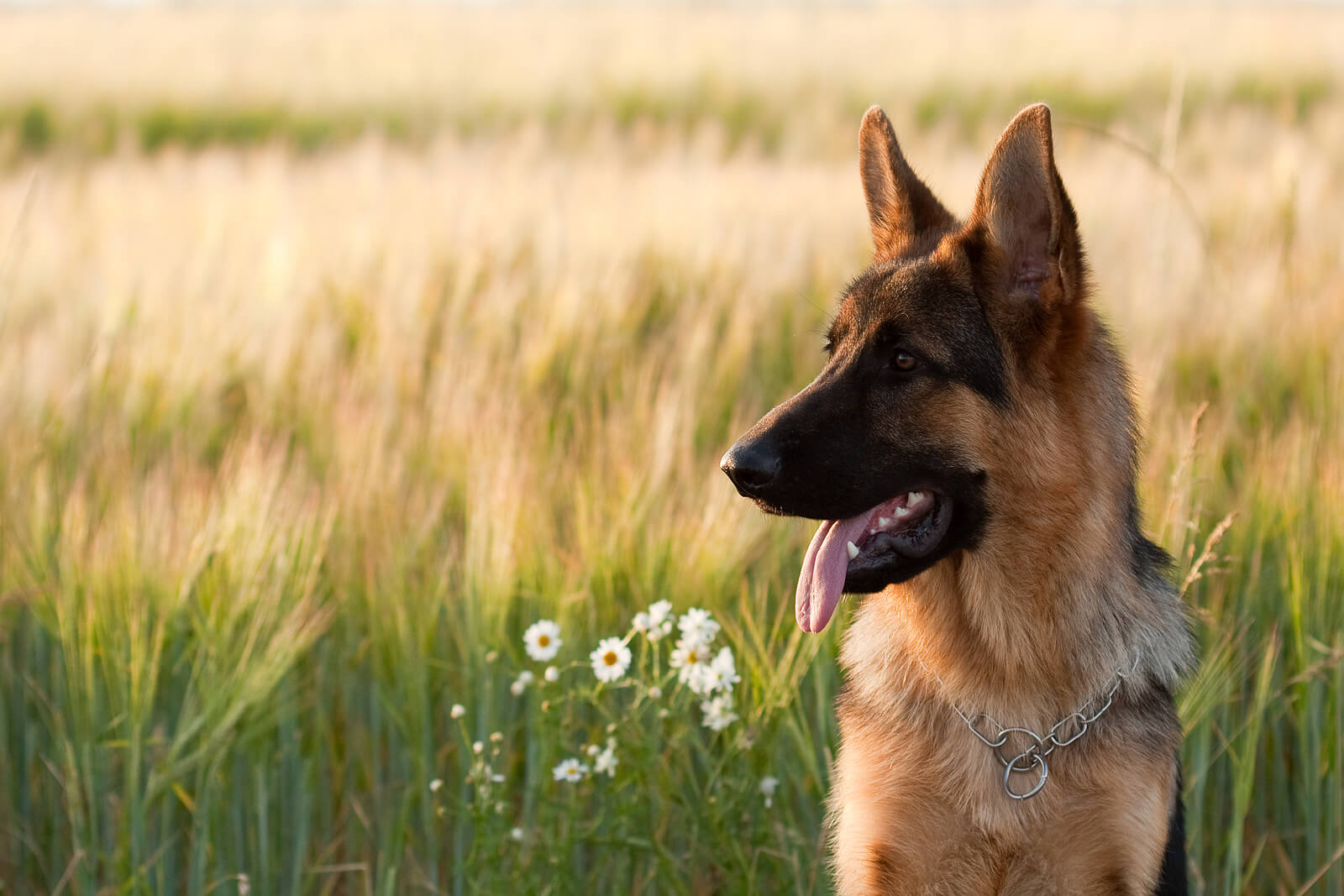
German Shepherd sitting in a field

1. Backyard Recall Games (With Real-World Distractions)

As birds return and neighborhood activity ramps up, your backyard becomes the perfect training ground.

How to practice:

  • Use a 15–30 ft long line for safety.

  • Let your dog explore.

  • Call their name + “Come!” in a cheerful tone.

  • Reward generously when they return.

Make it fun. Run backward. Celebrate big. Be more exciting than the environment.


2. Focus Work at Local Forest Preserves

Chicagoland is packed with incredible green space. Early spring is a sweet spot before summer crowds hit.

Great options include:

  • Herrick Lake Forest Preserve

  • Blackwell Forest Preserve

  • Fabyan Forest Preserve

Set up at a comfortable distance from trails and practice:

  • Loose leash walking

  • “Watch me” focus cues

  • Sit/down stays

  • Calm observation of passing joggers and cyclists

Keep sessions short (5–10 minutes). End on a win. The goal is steady progress, not perfection.


3. Spring Scent Hunts in the Park

As the ground thaws, smells explode — and that’s a gift for your dog’s brain.

Try this:

  • Hide treats in grass or along tree lines.

  • Use a cue like “Find it!”

  • Let your dog work independently.

This is especially great in quieter corners of preserves or local parks in St. Charles or Glen Ellyn.

Scent games build confidence, reduce anxiety, and tire your dog out mentally (often more effectively than a long walk).


4. DIY Agility at Neighborhood Parks

You don’t need formal equipment to create a spring obstacle course.

Use:

  • Low park benches for “pause” practice

  • Small logs for stepping over

  • Cones or water bottles for weaving

  • A portable mat for “place” work

If you’re near the Illinois Prairie Path, you’ll find open grassy areas perfect for safe setup (away from heavy bike traffic).

Keep jumps low and gradual — winter muscles need conditioning.


5. Hiking With Purpose

Spring hiking is about more than exercise. It’s about practicing skills in motion.

Work on:

  • Loose leash walking

  • Checking in naturally

  • Ignoring wildlife

  • Calm behavior when other dogs pass

Early mornings are ideal for lower distraction levels if your dog is still building skills.


6. Outdoor “Place” Training for Patio Season

Patio season is coming to the western suburbs. Farmers markets, outdoor cafés, and local events mean more opportunities to practice calm settling.

Start in your yard:

  • Place a mat down.

  • Cue “Place.”

  • Reward for lying calmly.

Then gradually work up to busier environments.

This skill makes summer outings dramatically more enjoyable — for both of you.


7. Structured Play Dates

As the weather warms up, dog social opportunities increase.

Instead of just letting dogs “figure it out,” use play dates to practice:

  • Calling your dog away mid-play

  • Rewarding calm re-engagement

  • Reinforcing polite greetings

Structured social time builds impulse control and responsiveness, even when excitement is high.


Spring Safety in the Chicago Area

A few seasonal reminders specific to the western suburbs:

  • Watch for muddy trails — slipping can cause injuries.

  • Check for ticks after forest preserve visits.

  • Bring water; spring days can warm up quickly.

  • Be mindful of goose activity near ponds (many dogs find them very exciting).


Make This Spring About Connection

Chicagoland gives you endless options for outdoor training. The key isn’t doing more — it’s doing small things consistently.

Short sessions. Clear rewards. Celebrate progress.

When training feels like shared adventure instead of obligation, your dog learns faster — and you both enjoy the season more.

Here’s to fresh air, muddy paws, and a spring full of growth.
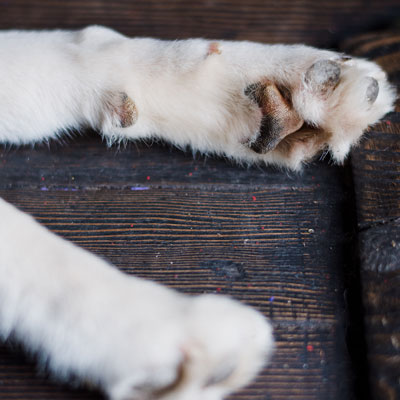
How Ice, Salt, and De-icers Affect Your Dog’s Paws

Winter walks can be magical—fresh snow, crisp air, and an excited pup bouncing along beside you. But while winter looks beautiful to us, it can be surprisingly harsh on your dog’s paws. Ice, road salt, and chemical de-icers are some of the most common (and overlooked) causes of paw irritation and injury during the colder months.

Let’s break down what’s really happening under your dog’s feet—and how you can protect them.

Keep your dog happy and healthy in winter!

Why Dog Paws Are Vulnerable in Winter

Your dog’s paw pads are tough, but they aren’t invincible. Pads are made of fatty tissue and thick skin designed to absorb shock and provide traction. In winter, however, they’re exposed to:

  • Freezing temperatures

  • Sharp ice edges

  • Dry air that causes cracking

  • Chemicals meant to melt ice—not protect skin

Repeated exposure can lead to irritation, pain, and even infection.


The Problem With Ice

Ice may seem harmless, but it can cause several issues:

  • Micro-cuts and abrasions: Rough or jagged ice can scrape paw pads.

  • Ice balls between toes: Snow and ice can clump in the fur between toes, pulling painfully on the skin.

  • Cracked pads: Cold temperatures reduce moisture, making pads dry and prone to splitting.

Dogs may suddenly stop walking, limp, or obsessively lick their paws—often the first signs something is wrong.


Road Salt: Small Crystals, Big Irritation

Traditional rock salt (sodium chloride) is one of the biggest culprits behind winter paw problems.

Why salt is harmful:

  • It dries out paw pads, leading to cracking

  • Sharp crystals can cut into the skin

  • Salt residue can cause redness and chemical burns

  • Dogs often lick their paws, ingesting salt and irritating their mouth or stomach

If you’ve ever noticed your dog lifting their paws repeatedly on a walk, salt is often to blame.


Chemical De-icers: Not All Are Dog-Safe

Many ice-melting products contain chemicals like calcium chloride or magnesium chloride. While effective at melting ice, these substances can be even more irritating than salt.

Possible effects include:

  • Burning or blistering of paw pads

  • Allergic reactions

  • Toxicity if licked or ingested in large amounts

Even products labeled “pet-safe” can cause mild irritation, especially with frequent exposure.


Signs Your Dog’s Paws Are Hurting

Watch for these common symptoms after winter walks:

  • Limping or favoring one paw

  • Excessive licking or chewing at feet

  • Redness, swelling, or cracking

  • Reluctance to walk or go outside

If symptoms persist or worsen, it’s best to check with your veterinarian.


How to Protect Your Dog’s Paws in Winter

The good news? A little prevention goes a long way.

Simple, effective tips:

  • Rinse and dry paws after every walk to remove salt and chemicals

  • Use dog booties for extra protection on icy or heavily salted sidewalks

  • Apply a paw balm or wax before walks to create a protective barrier

  • Trim fur between toes to prevent ice buildup

  • Stick to pet-safe de-icers at home and avoid heavily treated areas when possible

Keeping walks shorter during extreme cold can also reduce exposure.


A Little Care Makes Winter Walks Safer

Winter doesn’t have to mean painful paws. By understanding how ice, salt, and de-icers affect your dog—and taking a few proactive steps—you can keep your pup comfortable, healthy, and happy all season long.

After all, winter walks should end with a wagging tail, not sore feet.

Cold Weather Activities to Keep Your Dog Healthy — Indoors and Out

When temperatures drop and daylight gets shorter, it’s easy for routines to change. But dogs still need regular physical movement and mental stimulation throughout the winter months to stay healthy and balanced. With a little planning, cold weather can be a great opportunity to introduce new activities that support your dog’s overall well-being.

Below are some of the best cold-weather activities to keep your dog active, engaged, and healthy, both outdoors and indoors.

Keep your dog happy and healthy in winter!

Outdoor Cold-Weather Activities for Dogs

Spending time outside during winter provides valuable sensory enrichment and physical exercise, as long as safety remains a priority.

Winter Walks With Added Engagement

Cold-weather walks are still one of the most effective ways to maintain your dog’s health. To make them more beneficial:

  • Choose different routes to expose your dog to new sights and smells

  • Incorporate short training cues such as sit, stay, or heel

  • Allow time for sniffing, which provides important mental stimulation

Shorter, more frequent walks may be more comfortable than long outings in very cold conditions.


Snow Play and Exploration

For dogs that enjoy snow, supervised play can be a great workout:

  • Allow your dog to explore, dig, or move through fresh snow

  • Play short games of fetch using easily visible toys

  • Practice recall in a secure, enclosed area

Always check your dog’s paws afterward for ice, snow buildup, or salt residue.


Outdoor Conditioning and Strength-Building

Low-impact outdoor activities help maintain muscle tone and joint health during winter:

  • Walking uphill or on gentle inclines

  • Slow, controlled leash walking

  • Practicing wide turns or figure-eight patterns

These activities are especially beneficial for senior dogs and breeds prone to joint issues.


Indoor Activities for Cold Days

On days when weather limits outdoor time, indoor activities can provide excellent physical and mental exercise.

Brain Games and Puzzle Toys

Mental stimulation is just as important as physical activity. Try:

  • Treat-dispensing puzzle toys

  • Hiding treats or toys for scent-based games

  • Simple DIY puzzles using household items

Even short sessions of mental enrichment can significantly reduce boredom and excess energy.


Indoor Fetch and Tug Games

With proper supervision, indoor play can be both safe and effective:

  • Use hallways or open spaces for gentle fetch

  • Play tug games that reinforce impulse control

  • Roll toys along the floor instead of throwing them

These games help maintain strength while reinforcing good behavior.


Training Refreshers and Skill Building

Winter is an ideal time to reinforce training or teach new skills:

  • Review basic obedience commands

  • Teach fun tricks that encourage movement and focus

  • Introduce nose work or scent games

Training supports mental health, builds confidence, and strengthens the bond between you and your dog.


Supporting Your Dog’s Health Throughout Winter

Cold-weather activities do more than burn energy. They help maintain healthy weight, support joint mobility, and reduce stress and anxiety during seasonal changes.

Additional winter considerations include:

  • Adjusting food intake if activity levels change

  • Ensuring access to fresh water, as dogs may drink less in colder months

  • Watching for signs of stiffness, fatigue, or discomfort


Winter may limit certain activities, but it doesn’t have to limit your dog’s health or happiness. By combining safe outdoor adventures with engaging indoor enrichment, you can help your dog stay active, mentally sharp, and content all season long.

A consistent routine and thoughtful activity choices go a long way toward keeping your dog healthy, no matter the temperature outside.

Home for the Pawlidays! Tips to keep your pets happy and safe this holiday season

The holiday season is full of gatherings, decorations, and special meals, but it can also introduce unexpected risks for our pets. With a little preparation, you can keep your dogs and cats safe while still including them in the festivities. Let’s look at key areas of holiday safety, including food hazards, decoration precautions, as well as pet-friendly activities to keep your pets merry!

Keep your dog happy and healthy in winter!

Food Safety: What Your Pets Should Not Eat

Holiday meals bring tempting aromas, and many pets are skilled at begging for a taste. While it may be difficult to resist, several traditional holiday foods can be dangerous for animals. These are the most important items to avoid:

Foods to Keep Away From Pets

  • Chocolate, including cocoa powder and dark varieties

  • Grapes and raisins

  • Onions, garlic, and chives, commonly found in holiday sides and gravies

  • Cooked bones, which can splinter and cause internal injuries

  • Rich or fatty foods such as turkey skin, ham scraps, and buttery dishes

  • Alcohol of any kind, including small spills

  • Artificial sweeteners like xylitol, which are extremely toxic to dogs

  • Raw yeast dough, which can expand in the stomach

Pet-Safe Treat Alternatives

  • Plain, fully cooked turkey meat without seasoning

  • Steamed or cooked vegetables such as carrots, pumpkin, or green beans

  • Holiday-themed treats made specifically for pets


Decoration Safety: Keeping the Holiday Spirit Without the Hazards

Holiday decorations are attractive to pets, who may see them as playthings or snacks. Taking a few precautions can help prevent accidents and injuries.

Christmas Trees

  • Ensure the tree is securely anchored to prevent tipping

  • Keep tree water out of reach, as it may contain fertilizers or bacteria

  • Avoid edible decorations such as popcorn strings or candy canes

Ornaments and Lights

  • Use shatterproof ornaments on lower branches

  • Keep tinsel away from pets; it can cause intestinal blockages, especially in cats

  • Cover or secure electrical cords to prevent chewing

  • Turn off lights when not at home

Candles and Scents

  • Do not leave lit candles unattended around pets

  • Be cautious with diffusers or scented oils, and verify they are safe for animals

Holiday Plants to Avoid

Many common holiday plants can cause digestive upset or toxicity in pets, including poinsettias, mistletoe, holly, and lilies. Consider substitutes or place them well out of reach.


Holiday Activities Pets Can Safely Enjoy

The holiday season offers many opportunities for pets to participate in family traditions. Here are some pet-friendly ideas that are both fun and safe.

Holiday Walks

Many dogs enjoy the extra stimulation of seasonal lights and new scents. Use reflective gear for nighttime walks.

Homemade Toys

Simple do-it-yourself toys, such as fleece tug ropes or crinkle toys for cats, can be enjoyable and inexpensive.

Pet Stockings

Prepare a small stocking filled with safe toys, treats, or chews. Many pets enjoy “helping” open their gifts.

Quiet Time

With the noise and excitement of the holidays, many pets appreciate peaceful downtime with soft bedding and your company.

Training Games

Short training or trick sessions can help pets burn off extra energy and stay mentally engaged during busy gatherings.


The holiday season is a wonderful time to celebrate with the entire family, including pets. By staying aware of food hazards, decorating with care, and offering safe activities, you can ensure your pets enjoy a comfortable and stress-free holiday.

Cold Weather is coming. Which dogs need more protection?

When the temperature drops and the wind picks up, it’s not just us humans who feel the chill—many dogs do too. Keeping our four-legged friends warm, safe, and comfortable is just as important as making sure they get their exercise and love. Let’s explore why some breeds need extra protection in winter, which breeds are especially vulnerable, and how to keep your dog cozy and healthy when it’s cold outside.

Keep your dog happy and healthy in winter!

Why Some Dogs Need Extra Protection

Coat type, size & body fat

Dogs with short coats, minimal under-fur, little body fat or a slim build lose heat much faster than bulkier, thick-furred dogs. For example:

  • Dogs with short, single-layer coats lack the insulation of double-coated breeds.

  • Small dogs have a higher surface-area-to-mass ratio, so they lose heat faster than larger dogs.

  • Dogs with long legs or bodies close to the ground (like a dachshund) may get colder sooner because they’re nearer cold surfaces or snow.

Activity level and time outside

Even a dog with a thicker coat can get chilled if they sit still in the cold for long, or if there is wind, rain or snow. On very cold, windy or wet days, a walk that’s enjoyable for a hardy breed can be tough for a short-coated dog.

Age, health & environment

Puppies, senior dogs, dogs with health issues, lean-built dogs, or dogs living in drafty places may need extra warmth. Indoor vs outdoor time, wind exposure, and whether paws get salt/ice also matter.


Breeds That Often Need Extra Clothing or Protection

Here are some specific breeds (or types of breeds) that owners should pay special attention to when winter comes:

1. Slender, short-coated breeds

These dogs have little insulation, and tend to get cold quickly.

  • Greyhound – very lean, short coat, minimal body fat.

  • Italian Greyhound – like a mini version, even more vulnerable.

  • Whippet – same idea: sleek, short-haired, minimal insulation.

  • Dachshund – short legs, body closer to cold ground, often shorter coat. 

2. Small toy breeds or hairless / near hairless breeds

Due to size, coat or lack of fur, they often need extra layers.

  • Chihuahua – tiny size + short coat = fast heat loss.

  • Yorkshire Terrier – tiny body, not large-enough to withstand long cold exposures.

  • Chinese Crested Dog – mostly hairless, extremely vulnerable to cold.

3. Short-coated medium/large breeds

Just because a dog is bigger doesn’t mean they automatically tolerate winter best. If their coat is short or thin, they may still need help.

  • French Bulldog – short coat, brachycephalic (flat face) which can make breathing cold air harder; not built for cold. 

  • Boxer – short fur, lean build for a large dog, vulnerable to cold.

  • Miniature Pinscher – very short coat, small build; another that “needs” a winter coat. 


Tips for Keeping Cold-Susceptible Dogs Safe & Warm

Here are some practical tips to implement:

  • Pick the right gear. Look for coats or jackets with insulation, water-resistance, good coverage of belly and chest (especially for dogs closer to the ground) and good fit (not too tight, not too loose).

  • Protect the paws. Ice, snow, salt, and slush can damage paws. Consider booties or paw wax. 

  • Limit exposure when needed. For dogs vulnerable to cold, keep outdoor sessions shorter and stay active so they generate body heat. If you see shivering, lifting paws off cold ground, or general discomfort — go inside.

  • Indoor comfort matters too. Make sure your pup has warm bedding, a draft-free resting spot, and the chance to get out of wind or cold floors.

  • Watch for signs of cold. Shivering, reluctance to walk, lifting paws, heat-seeking (cuddling under blankets), lethargy.

  • Know when extra layering isn’t needed. Some dogs with very thick double coats (e.g., guard or sled breeds) may overheat if you add layers. Tailor your approach to your dog’s build, coat type and health. 


Final Thoughts

While no dog automatically “needs” a coat just because it’s winter, many dogs do benefit from extra protection depending on their breed, build, coat, and the conditions they face. 

If you have a breed listed above (or one similar) and live in a cold climate, investing in a good dog coat, protecting paws and limiting exposure when cold conditions strike is a smart move. Your dog will thank you with warm cuddles and comfortable walks.