
Thanksgiving is a time for family, gratitude, and, of course, plenty of delicious food! While you’re enjoying turkey, mashed potatoes, stuffing, and pumpkin pie, your four-legged family members are probably hoping for a little taste of the festivities, too.
It’s tempting to share a few bites with your dog or cat, especially when they’re giving you those irresistible puppy eyes. Fortunately, there are several Thanksgiving foods that pets can safely enjoy when prepared properly. The trick is knowing which foods are safe, which ones should be avoided, and how much is too much.
Before you fill your pet’s holiday bowl, here’s what every pet parent should know!
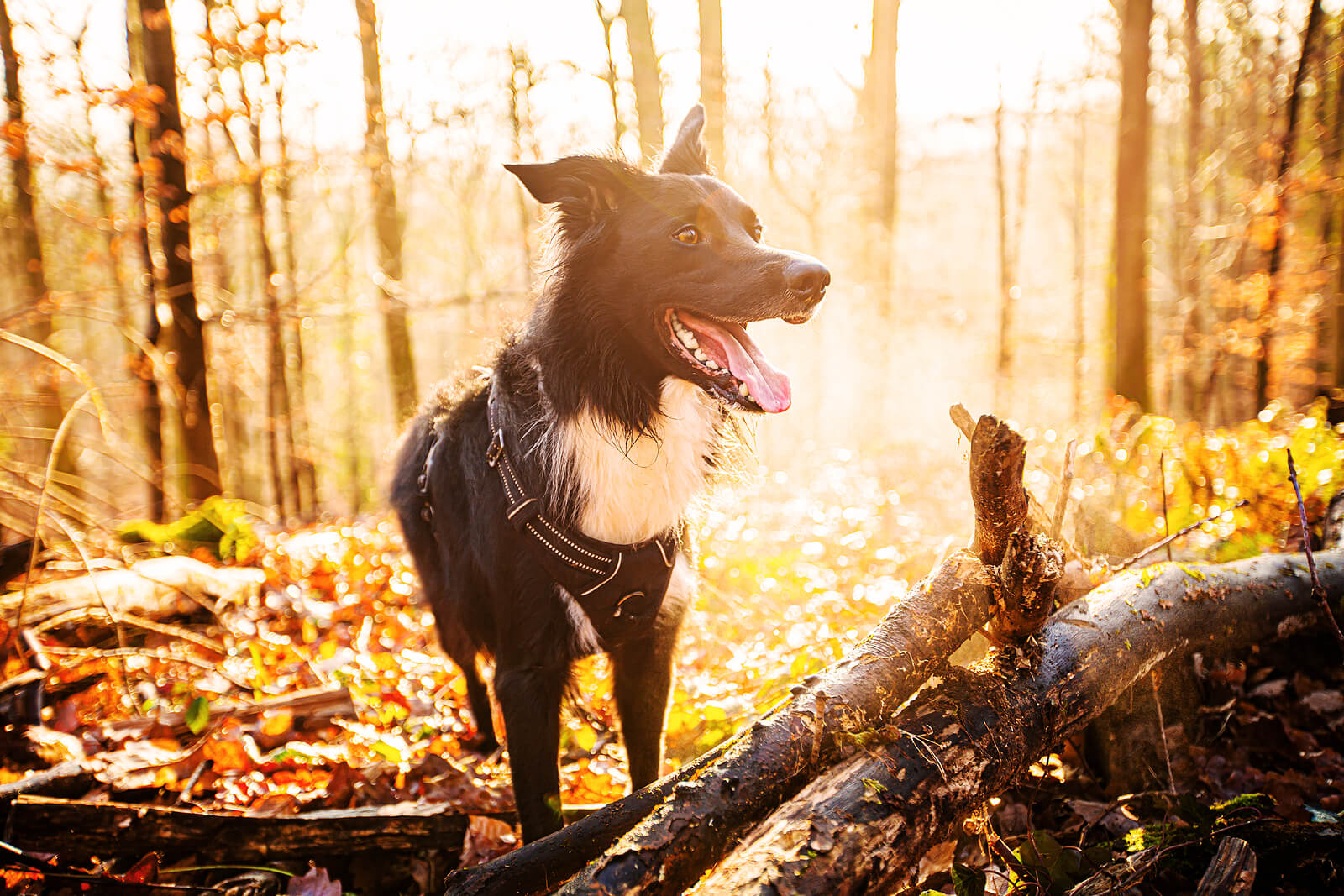
Thanksgiving Foods Your Dog or Cat Can Safely Enjoy
The good news is that some traditional Thanksgiving ingredients can make tasty, pet-friendly treats. Just remember that plain preparation is key. Avoid butter, salt, seasonings, sauces, and other added ingredients.
1. Plain Turkey
Turkey is probably the most popular Thanksgiving food, and your pet can enjoy a little, too! Offer a small amount of fully cooked, boneless, skinless white meat. Make sure it’s free from butter, garlic, onion, gravy, and other seasonings. Never give your pet cooked turkey bones.
2. Green Beans
Green beans are a great low-calorie snack for dogs. They’re packed with fiber and make an easy addition to a pet-friendly Thanksgiving plate. Serve them plain, steamed, or cooked without butter, salt, onions, or seasonings. Cut them into manageable pieces.
3. Sweet Potatoes
Sweet potatoes are another holiday favorite that can be shared with your dog. They’re a source of fiber and vitamins and are best served cooked, peeled, and mashed or cut into small pieces. Skip the marshmallows, brown sugar, butter, and cinnamon-heavy casserole recipes.
4. Plain Pumpkin
Pumpkin is a wonderful seasonal treat for dogs! Plain pumpkin puree contains fiber and can support digestive health. A small spoonful mixed into your dog’s regular food can be a tasty holiday surprise. Be sure to choose 100% pure pumpkin rather than pumpkin pie filling, which may contain added sugar and spices.
5. Apples
A few small apple slices can make a refreshing treat for your dog. Apples contain fiber and vitamins, but always remove the core and seeds before serving. Keep portions small and avoid caramel apples or other sugary apple desserts.
6. Plain Mashed Potatoes
A little plain, fully cooked mashed potato can be okay for dogs. The important part is keeping it simple. Traditional mashed potatoes often contain butter, cream, garlic, and salt, so set aside a small portion before adding those ingredients.
Note: These suggestions are primarily for healthy adult dogs. Cats may enjoy a tiny piece of plain cooked turkey, but their regular complete and balanced cat food should remain their main diet. Check with your veterinarian before introducing new foods, especially if your pet has allergies, dietary restrictions, or an underlying health condition.
Thanksgiving Foods Your Pets Should NEVER Eat
Unfortunately, not everything on the Thanksgiving table is safe for our furry friends. Some foods can cause serious digestive problems, while others can be toxic or even life-threatening.
Here are some of the biggest Thanksgiving food hazards to watch out for:
- Stuffing and dressing: Often contain onions, garlic, scallions, and other seasonings that can be toxic to pets.
- Turkey bones: Cooked poultry bones can splinter and cause choking, internal injuries, or intestinal blockages.
- Turkey skin and gravy: High-fat foods can cause digestive upset and potentially trigger pancreatitis.
- Onions and garlic: These ingredients can damage red blood cells and cause serious illness in dogs and cats.
- Grapes and raisins: Can cause kidney injury in dogs. Avoid giving them to cats, too.
- Chocolate: Contains substances that are toxic to pets and can cause serious health problems.
- Pumpkin pie: Often contains sugar, spices, and other ingredients that aren’t appropriate for pets.
- Alcohol: Even small amounts can be dangerous to dogs and cats.
- Sugar-free desserts: May contain xylitol, an artificial sweetener that can cause a life-threatening reaction in dogs.
- Raw bread dough: Yeast dough can expand in the stomach and produce alcohol during fermentation.
When in doubt, it’s always best to keep human food off your pet’s plate. Some seemingly harmless dishes contain hidden ingredients that can be dangerous.
How to Make a Pet-Friendly Thanksgiving Plate
Want your furry family member to enjoy Thanksgiving dinner without the worry? Consider preparing a special little plate just for them!
Here’s a simple combination you can try:
- A few small pieces of plain, cooked turkey breast.
- A spoonful of plain cooked sweet potato.
- A few chopped, unseasoned green beans.
- A small spoonful of plain pumpkin puree.
Mix these ingredients together or serve them separately alongside your pet’s regular food.
Remember, treats and extras should make up no more than 10% of your dog’s daily calories, with the rest coming from a complete and balanced diet. Keep portions especially small for little dogs and cats.
6 Tips for Keeping Your Pets Safe on Thanksgiving
Food isn’t the only thing pet parents should think about during the holidays. With guests coming and going, a busy kitchen, and plenty of tempting smells, Thanksgiving can create some unexpected hazards.
Here are a few ways to keep your pets safe:
1. Keep food off the countertops. Even the most well-behaved pets can become curious when delicious food is within reach. Don’t leave dishes unattended.
2. Secure the garbage. Turkey bones, food scraps, plastic wrap, and packaging can be tempting for pets. Use a covered trash can and dispose of leftovers promptly.
3. Remind guests not to feed your pets. Your family and friends may mean well, but even a small bite of the wrong food can cause problems. Let everyone know that only approved pet treats are allowed.
4. Give your pets a quiet place to relax. Thanksgiving gatherings can be overwhelming, especially for shy or anxious pets. Set up a comfortable space with fresh water, bedding, and favorite toys.
5. Watch the kitchen. Hot pans, boiling water, sharp utensils, and dropped food can all create hazards. Consider using a baby gate to keep curious pets out of the cooking area.
6. Stick to your pet’s routine. Try to maintain regular feeding times, walks, playtime, and rest. A little consistency can help pets feel comfortable during a busy holiday.
What Should You Do If Your Pet Eats Something They Shouldn’t?
Even the most attentive pet parents can experience an unexpected Thanksgiving mishap. If your dog or cat gets into something potentially dangerous, don’t wait for symptoms to appear.
Contact your veterinarian or an emergency veterinary clinic right away. If you suspect poisoning, you can also contact the ASPCA Animal Poison Control Center at 888-426-4435. A consultation fee may apply.
Watch for concerning symptoms such as:
- Vomiting or diarrhea.
- Excessive drooling.
- Loss of appetite.
- Unusual tiredness or weakness.
- Abdominal pain or bloating.
- Tremors or seizures.
- Difficulty breathing.
Never try to induce vomiting or administer home remedies unless instructed by a veterinary professional. Prompt treatment can make a significant difference.
A Happy Thanksgiving for the Whole Family!
Thanksgiving is all about spending time with the ones we love, and that certainly includes our pets! While it may be tempting to share every delicious dish on the table, a little extra caution can help keep your four-legged family members happy and healthy.
By choosing simple, pet-friendly ingredients, keeping dangerous foods out of reach, and making sure guests understand the rules, you can let your pets enjoy a little holiday fun without putting their health at risk.
And remember, your pets don’t need a plate full of Thanksgiving leftovers to feel included. Sometimes, their favorite treat, a little extra playtime, and a cozy spot beside their family are all they need.