
Winter walks can be magical—fresh snow, crisp air, and an excited pup bouncing along beside you. But while winter looks beautiful to us, it can be surprisingly harsh on your dog’s paws. Ice, road salt, and chemical de-icers are some of the most common (and overlooked) causes of paw irritation and injury during the colder months.
Let’s break down what’s really happening under your dog’s feet—and how you can protect them.
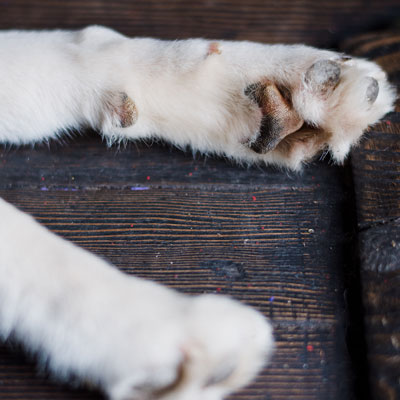
Why Dog Paws Are Vulnerable in Winter
Your dog’s paw pads are tough, but they aren’t invincible. Pads are made of fatty tissue and thick skin designed to absorb shock and provide traction. In winter, however, they’re exposed to:
-
Freezing temperatures
-
Sharp ice edges
-
Dry air that causes cracking
-
Chemicals meant to melt ice—not protect skin
Repeated exposure can lead to irritation, pain, and even infection.
The Problem With Ice
Ice may seem harmless, but it can cause several issues:
-
Micro-cuts and abrasions: Rough or jagged ice can scrape paw pads.
-
Ice balls between toes: Snow and ice can clump in the fur between toes, pulling painfully on the skin.
-
Cracked pads: Cold temperatures reduce moisture, making pads dry and prone to splitting.
Dogs may suddenly stop walking, limp, or obsessively lick their paws—often the first signs something is wrong.
Road Salt: Small Crystals, Big Irritation
Traditional rock salt (sodium chloride) is one of the biggest culprits behind winter paw problems.
Why salt is harmful:
-
It dries out paw pads, leading to cracking
-
Sharp crystals can cut into the skin
-
Salt residue can cause redness and chemical burns
-
Dogs often lick their paws, ingesting salt and irritating their mouth or stomach
If you’ve ever noticed your dog lifting their paws repeatedly on a walk, salt is often to blame.
Chemical De-icers: Not All Are Dog-Safe
Many ice-melting products contain chemicals like calcium chloride or magnesium chloride. While effective at melting ice, these substances can be even more irritating than salt.
Possible effects include:
-
Burning or blistering of paw pads
-
Allergic reactions
-
Toxicity if licked or ingested in large amounts
Even products labeled “pet-safe” can cause mild irritation, especially with frequent exposure.
Signs Your Dog’s Paws Are Hurting
Watch for these common symptoms after winter walks:
-
Limping or favoring one paw
-
Excessive licking or chewing at feet
-
Redness, swelling, or cracking
-
Reluctance to walk or go outside
If symptoms persist or worsen, it’s best to check with your veterinarian.
How to Protect Your Dog’s Paws in Winter
The good news? A little prevention goes a long way.
Simple, effective tips:
-
Rinse and dry paws after every walk to remove salt and chemicals
-
Use dog booties for extra protection on icy or heavily salted sidewalks
-
Apply a paw balm or wax before walks to create a protective barrier
-
Trim fur between toes to prevent ice buildup
-
Stick to pet-safe de-icers at home and avoid heavily treated areas when possible
Keeping walks shorter during extreme cold can also reduce exposure.
A Little Care Makes Winter Walks Safer
Winter doesn’t have to mean painful paws. By understanding how ice, salt, and de-icers affect your dog—and taking a few proactive steps—you can keep your pup comfortable, healthy, and happy all season long.
After all, winter walks should end with a wagging tail, not sore feet.