Keep your dog happy and healthy during unpredictable weather

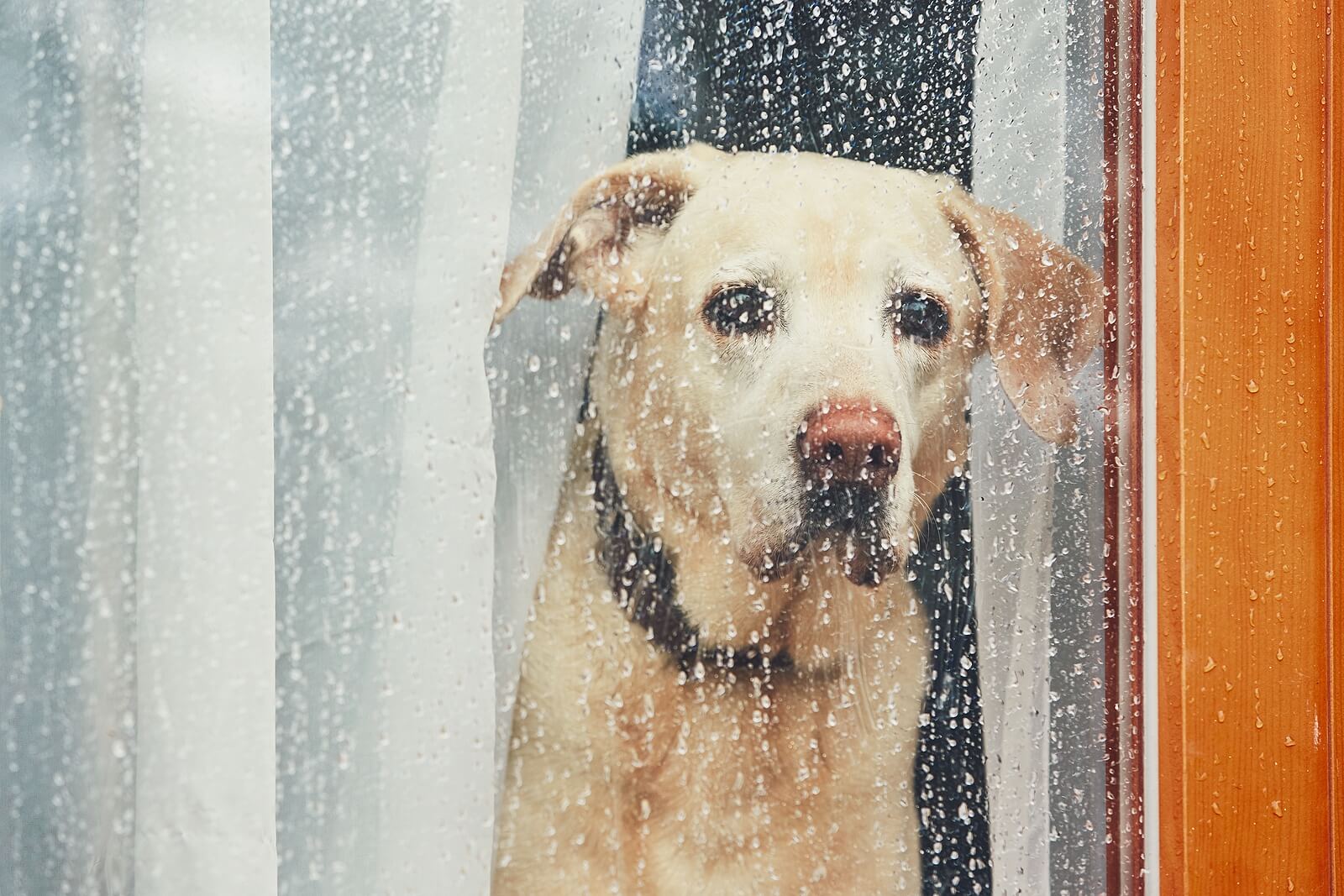
When the weather turns gloomy—whether it’s pouring rain, unexpected snow, or scorching heat (as we’ve seen in just the last few weeks of March in Chicagoland) it can be tough on our dogs. Walks get shorter (or skipped altogether), energy builds up, and boredom can sneak in fast. But staying indoors doesn’t have to mean a dull day for your pup. With a little creativity, you can turn a dreary day into a fun and enriching experience for your dog.

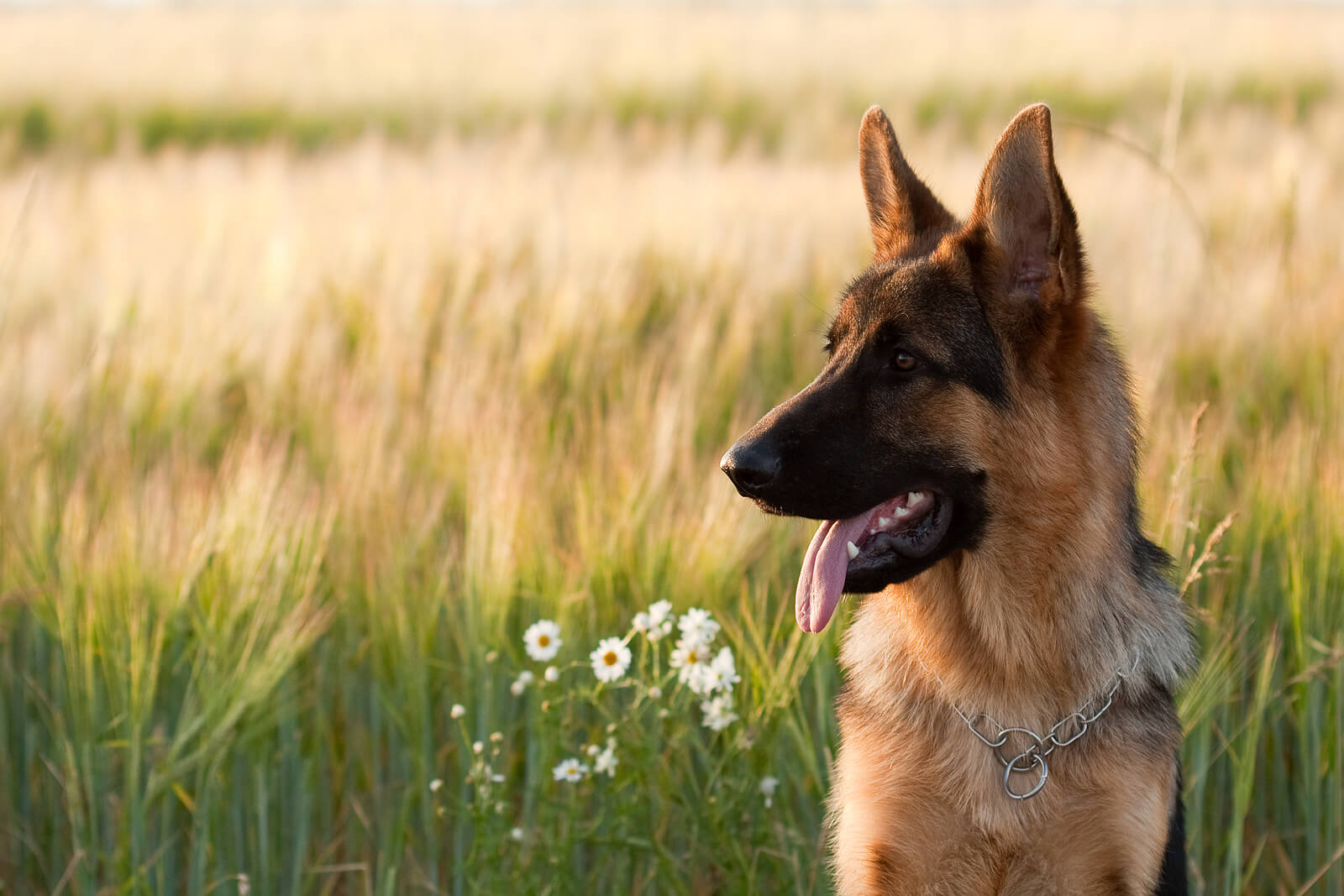
German Shepherd sitting in a field

Make Indoor Playtime Count

Just because you’re inside doesn’t mean your dog can’t burn off energy. Clear a bit of space and engage in games like tug-of-war, fetch (with soft toys), or even a gentle game of chase. Rotating toys instead of leaving them all out at once can also keep things feeling fresh and exciting.

Challenge Their Mind

Mental stimulation is just as important as physical exercise. Puzzle toys, treat-dispensing games, or simple hide-and-seek with their favorite snack can keep your dog occupied and satisfied. You can even hide treats around the house and encourage your dog to “hunt” for them—it taps into their natural instincts and provides a rewarding challenge.

Teach New Tricks

Bad or unpredictable weather is the perfect excuse to work on training. Whether it’s basic commands or fun tricks like rolling over or spinning, short training sessions can help reinforce good behavior while strengthening your bond. Keep sessions upbeat and reward-based to maintain enthusiasm.

Create a Cozy Retreat

Dogs can feel the effects of gloomy weather just like we do. Make sure they have a comfortable, warm place to relax. A soft bed, a favorite blanket, or even a quiet corner can help them feel safe and content. Adding a long-lasting chew or toy can make this space even more inviting.

Incorporate Scent Work

Dogs experience the world through their noses, so scent games are a fantastic indoor activity. Try hiding treats in a towel, a snuffle mat, or even inside cardboard boxes. This kind of enrichment can be surprisingly tiring, in the best way.

Stick to a Routine

Even when the weather disrupts your usual schedule, maintaining a consistent routine helps your dog feel secure. Feed them at the same times, plan indoor play sessions, and keep bedtime consistent. Predictability goes a long way in keeping your dog calm and happy.

Don’t Forget Bathroom Breaks

If outdoor time is limited, make quick, purposeful trips outside when possible. For extreme weather days, consider indoor potty solutions if appropriate for your dog. Always prioritize their comfort and safety.

Quality Time Matters Most

At the end of the day, what your dog wants most is time with you. Whether it’s cuddling on the couch, grooming, or simply sitting together, your presence provides reassurance and joy.

Bad or unpredictable weather might change your plans, but it doesn’t have to dampen your dog’s spirits. With a little effort and creativity, you can turn any indoor day into an opportunity for fun, learning, and connection.

Spring is almost here! Outdoor fun and training activities for your dog

Spring is near in Chicagoland! The snow has melting, the trails are drying out, and longer days mean more time to get outside with your dog. After months of quick walks in freezing temps, both you and your pup are ready to stretch your legs and refresh those training skills.

Training should feel like something you get to do together — not something you have to do. Spring in Chicagoland gives you the perfect backdrop to build focus, confidence, and connection.

Here are the best outdoor springtime training activities for dogs.

German Shepherd sitting in a field

1. Backyard Recall Games (With Real-World Distractions)

As birds return and neighborhood activity ramps up, your backyard becomes the perfect training ground.

How to practice:

  • Use a 15–30 ft long line for safety.

  • Let your dog explore.

  • Call their name + “Come!” in a cheerful tone.

  • Reward generously when they return.

Make it fun. Run backward. Celebrate big. Be more exciting than the environment.


2. Focus Work at Local Forest Preserves

Chicagoland is packed with incredible green space. Early spring is a sweet spot before summer crowds hit.

Great options include:

  • Herrick Lake Forest Preserve

  • Blackwell Forest Preserve

  • Fabyan Forest Preserve

Set up at a comfortable distance from trails and practice:

  • Loose leash walking

  • “Watch me” focus cues

  • Sit/down stays

  • Calm observation of passing joggers and cyclists

Keep sessions short (5–10 minutes). End on a win. The goal is steady progress, not perfection.


3. Spring Scent Hunts in the Park

As the ground thaws, smells explode — and that’s a gift for your dog’s brain.

Try this:

  • Hide treats in grass or along tree lines.

  • Use a cue like “Find it!”

  • Let your dog work independently.

This is especially great in quieter corners of preserves or local parks in St. Charles or Glen Ellyn.

Scent games build confidence, reduce anxiety, and tire your dog out mentally (often more effectively than a long walk).


4. DIY Agility at Neighborhood Parks

You don’t need formal equipment to create a spring obstacle course.

Use:

  • Low park benches for “pause” practice

  • Small logs for stepping over

  • Cones or water bottles for weaving

  • A portable mat for “place” work

If you’re near the Illinois Prairie Path, you’ll find open grassy areas perfect for safe setup (away from heavy bike traffic).

Keep jumps low and gradual — winter muscles need conditioning.


5. Hiking With Purpose

Spring hiking is about more than exercise. It’s about practicing skills in motion.

Work on:

  • Loose leash walking

  • Checking in naturally

  • Ignoring wildlife

  • Calm behavior when other dogs pass

Early mornings are ideal for lower distraction levels if your dog is still building skills.


6. Outdoor “Place” Training for Patio Season

Patio season is coming to the western suburbs. Farmers markets, outdoor cafés, and local events mean more opportunities to practice calm settling.

Start in your yard:

  • Place a mat down.

  • Cue “Place.”

  • Reward for lying calmly.

Then gradually work up to busier environments.

This skill makes summer outings dramatically more enjoyable — for both of you.


7. Structured Play Dates

As the weather warms up, dog social opportunities increase.

Instead of just letting dogs “figure it out,” use play dates to practice:

  • Calling your dog away mid-play

  • Rewarding calm re-engagement

  • Reinforcing polite greetings

Structured social time builds impulse control and responsiveness, even when excitement is high.


Spring Safety in the Chicago Area

A few seasonal reminders specific to the western suburbs:

  • Watch for muddy trails — slipping can cause injuries.

  • Check for ticks after forest preserve visits.

  • Bring water; spring days can warm up quickly.

  • Be mindful of goose activity near ponds (many dogs find them very exciting).


Make This Spring About Connection

Chicagoland gives you endless options for outdoor training. The key isn’t doing more — it’s doing small things consistently.

Short sessions. Clear rewards. Celebrate progress.

When training feels like shared adventure instead of obligation, your dog learns faster — and you both enjoy the season more.

Here’s to fresh air, muddy paws, and a spring full of growth.

Home for the Pawlidays! Tips to keep your pets happy and safe this holiday season

The holiday season is full of gatherings, decorations, and special meals, but it can also introduce unexpected risks for our pets. With a little preparation, you can keep your dogs and cats safe while still including them in the festivities. Let’s look at key areas of holiday safety, including food hazards, decoration precautions, as well as pet-friendly activities to keep your pets merry!

Keep your dog happy and healthy in winter!

Food Safety: What Your Pets Should Not Eat

Holiday meals bring tempting aromas, and many pets are skilled at begging for a taste. While it may be difficult to resist, several traditional holiday foods can be dangerous for animals. These are the most important items to avoid:

Foods to Keep Away From Pets

  • Chocolate, including cocoa powder and dark varieties

  • Grapes and raisins

  • Onions, garlic, and chives, commonly found in holiday sides and gravies

  • Cooked bones, which can splinter and cause internal injuries

  • Rich or fatty foods such as turkey skin, ham scraps, and buttery dishes

  • Alcohol of any kind, including small spills

  • Artificial sweeteners like xylitol, which are extremely toxic to dogs

  • Raw yeast dough, which can expand in the stomach

Pet-Safe Treat Alternatives

  • Plain, fully cooked turkey meat without seasoning

  • Steamed or cooked vegetables such as carrots, pumpkin, or green beans

  • Holiday-themed treats made specifically for pets


Decoration Safety: Keeping the Holiday Spirit Without the Hazards

Holiday decorations are attractive to pets, who may see them as playthings or snacks. Taking a few precautions can help prevent accidents and injuries.

Christmas Trees

  • Ensure the tree is securely anchored to prevent tipping

  • Keep tree water out of reach, as it may contain fertilizers or bacteria

  • Avoid edible decorations such as popcorn strings or candy canes

Ornaments and Lights

  • Use shatterproof ornaments on lower branches

  • Keep tinsel away from pets; it can cause intestinal blockages, especially in cats

  • Cover or secure electrical cords to prevent chewing

  • Turn off lights when not at home

Candles and Scents

  • Do not leave lit candles unattended around pets

  • Be cautious with diffusers or scented oils, and verify they are safe for animals

Holiday Plants to Avoid

Many common holiday plants can cause digestive upset or toxicity in pets, including poinsettias, mistletoe, holly, and lilies. Consider substitutes or place them well out of reach.


Holiday Activities Pets Can Safely Enjoy

The holiday season offers many opportunities for pets to participate in family traditions. Here are some pet-friendly ideas that are both fun and safe.

Holiday Walks

Many dogs enjoy the extra stimulation of seasonal lights and new scents. Use reflective gear for nighttime walks.

Homemade Toys

Simple do-it-yourself toys, such as fleece tug ropes or crinkle toys for cats, can be enjoyable and inexpensive.

Pet Stockings

Prepare a small stocking filled with safe toys, treats, or chews. Many pets enjoy “helping” open their gifts.

Quiet Time

With the noise and excitement of the holidays, many pets appreciate peaceful downtime with soft bedding and your company.

Training Games

Short training or trick sessions can help pets burn off extra energy and stay mentally engaged during busy gatherings.


The holiday season is a wonderful time to celebrate with the entire family, including pets. By staying aware of food hazards, decorating with care, and offering safe activities, you can ensure your pets enjoy a comfortable and stress-free holiday.

Halloween Fun! Top 10 Pet Costumes for 2025

Halloween is one of our favorite times of the year  — it’s the one night (who are we kidding, a few nights) where our furry friends get to shine, strut their stuff, and get in on the fun. But choosing a costume that’s cute and comfortable can be tricky. To help, here are 10 trending costumes for dogs and cats in 2025 (with tips to make them pet‑friendly).

Keep your dog happy and healthy in winter!

1. Pumpkin Pup / Pumpkin Kitty

A classic for a reason — the pumpkin motif is still one of the most popular pet Halloween costumes.
Why it works: Bright, festive, and usually light on extra bits.
Tip: Go for soft fabrics and ensure the head/hood doesn’t obstruct ears or eyes.

2. Hot Dog / Sausage Pet

Yes, it’s humorous — and yes, it still dominates many costume charts.
Why it works: Especially cute on long-bodied breeds (though any pet can rock it).
Tip: Use Velcro straps instead of tight buckles to avoid chafing.

3. Bat Wings

Simple, dramatic, and fun in silhouette. Attachable wings let your pet “take flight” without a full suit.
Why it works: Minimal fuss and looks great in photos.
Tip: Pick wings that lie flat against the back so your pet isn’t unbalanced.

4. Witch / Wizard

Add a little Halloween magic! A pointy hat, a cloak, maybe a little broomstick prop.
Why it works: Spellbinding (pun intended) and versatile across sizes.
Tip: Ensure the hat is detachable — pets often prefer when props can be removed.

5. Dinosaur / Jurassic Pet

Dinosaurs remain a hit — full-body jumpsuits, spines, tails — Jurassic vibes for your fur baby.
Why it works: Big “wow” factor at Halloween events.
Tip: If your pet hates headgear, skip the hood and let the body suit do the heavy lifting.

6. Skeleton / Glow Bones

Glow‑in‑the‑dark skeleton prints are spooky and safe (better visibility at night).
Why it works: Bold contrast and glow effect = instant Halloween vibe.
Tip: Test the glow before you head out — some materials fade fast.

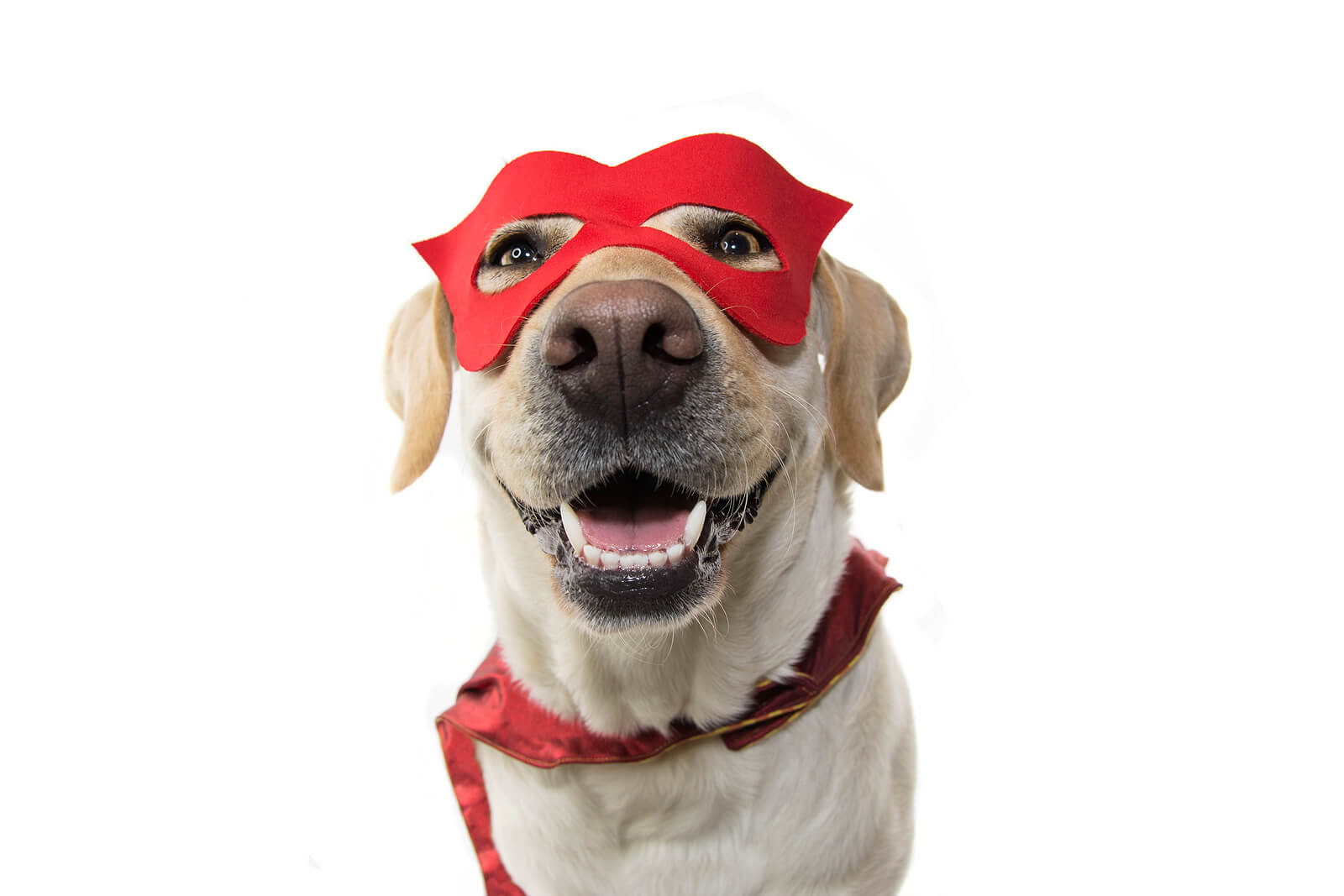
7. Superhero / Caped Crusader

Superdog, Supercat, or your favorite comic character — capes are forever in costume land.
Why it works: Easy to theme with human costumes for matching looks.
Tip: Use a lightweight cape that doesn’t drag or get caught on obstacles.

8. Lion / King of the Jungle

A mane or fluffy collar gives your pet a regal, wild look without full coverage.
Why it works: Great for animals with longer fur or as a stand-alone accessory.
Tip: Secure the mane with a soft strap under the chin, not around the neck too tight.

9. Cowboy / Western Rider

Think little hat, bandana, maybe a faux lasso or saddle.
Why it works: Western flair works on most pet sizes.
Tip: Avoid dangling bits that tangle; keep decorations flat or soft.

10. Chucky / Horror Character

For pets and owners who love creepshow vibes, character costumes (like Chucky) have been making big waves in pet costume trends.
Why it works: Memorable and dramatic — your pet becomes a Halloween icon.
Tip: Keep creepy bits (tiny weapons, masks) detachable to avoid stress or distraction.


Pet Costume Safety Tips

  • Comfort over cuteness: If your pet is constantly trying to take it off, it’s no fun. Let them test wear sessions.

  • Breathability & movement: Avoid tight suits, heavy materials, or anything restricting walking, sitting, or panting.

  • Remove props when unsupervised: Hats, props, or items that dangle can become chew hazards.

  • Visibility: Reflective trims or glow features help at night (especially for skeleton or glow designs).

  • Temperature check: Some pets overheat easily — don’t layer too many fabrics.

  • Check sizing: Measure your pet’s chest, neck, and length. Many costumes run small in the torso.


Final Thoughts

Halloween should be fun, safe, and full of tail wags. Whatever costume you pick — pumpkin, dino, witch, or heroic cape — make sure your furry friend is comfortable and happy. Snap lots of pictures, enjoy the spooky strolls, and may your pet be the star of Halloween 2025.

Fall Hiking with Your Pup: Top Tips to Keep Your Dog Tick-Free

There’s nothing quite like hitting the trails in the crisp fall air with your furry hiking buddy by your side. As the leaves crunch underfoot and the trees explode in color, it’s easy to forget that fall is also prime time for ticks.

While we often associate ticks with summer, these pesky parasites are just as active in autumn — especially in wooded areas and tall grass. Don’t worry! With a few smart steps, you can keep your dog protected and tick-free all season long.

Keep your dog happy and healthy in winter!

1. Stick to the Trail (And Keep Your Pup Close)

We know it’s tempting to let your dog sniff every log and leap through every pile of leaves, but straying off-trail increases the risk of picking up ticks. Tall grass, brush, and piles of fallen leaves are all tick hangouts.

Tip: Keep your dog on a 6-foot leash and guide them along the center of the trail. It’s safer, cleaner, and easier to manage tick exposure.

2. Pre-Hike Prep: Use a Vet-Approved Tick Preventative

Before heading out on any hike, make sure your dog is protected with a trusted tick preventative. Whether it’s a chewable tablet, a topical treatment, or a tick collar, consistent prevention is your first line of defense.

Talk to your vet to determine the best product for your dog’s age, breed, and activity level.

3. Post-Hike Tick Check (Your Dog AND You!)

When your hike wraps up, don’t head straight for the couch just yet. Take a few minutes to check your pup for ticks — especially in these sneaky spots:

  • Behind and inside the ears

  • Around the eyes and muzzle

  • Under the collar and harness

  • Between the toes

  • Under the front legs and tail

Use your fingers to feel for small bumps and have a tick removal tool or tweezers ready in your pack — just in case.

Pro Tip: Make it part of your post-hike bonding routine. A gentle brush or belly rub doubles as a check and keeps your dog relaxed.

4. Clean-Up Matters

Back at home, do a quick cleanup to help stop any ticks that might’ve hitched a ride:

  • Wipe your dog down with a damp cloth or pet-safe grooming wipe

  • Wash your hands and your pup’s bedding

  • Vacuum areas where your dog lounges after walks

  • Toss your hiking clothes in the dryer on high for 10–15 minutes to kill hidden ticks

These little steps can make a big difference in keeping ticks out of your home.

5. Beware the Leaf Piles

We get it — watching your dog dive into a pile of crunchy leaves is adorable. But fallen leaves are a favorite hiding spot for ticks. Try to limit playtime in large, damp leaf piles, and always do a tick check afterward if your pup can’t resist a leap into the leaves.

6. Know the Signs of Tick-Borne Illness

Even with prevention, it’s good to know the signs that something might be off. Call your vet if your dog shows symptoms like:

  • Fatigue or reluctance to move

  • Limping that comes and goes

  • Loss of appetite

  • Fever

Diseases like Lyme and ehrlichiosis can show up days or weeks after a tick bite — and early treatment is key.


Hike Smart. Stay Tick-Free. Wag More.

Fall is one of the best seasons to explore nature with your dog. With a little awareness and simple prevention, you can soak up every moment without worry.

Fun in the sun! How to stay comfortable and safe at the dog beach

There’s nothing quite like watching your dog sprint across the sand, splash into the waves, and play with other pups under the sun. Dog beaches are a summer favorite for many pet parents—and for good reason! They offer off-leash freedom, natural exercise, and a chance for your furry friend to cool off in the water. But before you grab your towel and tennis ball, it’s important to make sure your pup is prepared for a safe and stress-free beach day.

Here are our top tips for keeping your dog happy, healthy, and secure at the dog beach.

Keep your dog happy and healthy in winter!

1. Know the Rules Before You Go

Not all beaches are created equal. Some allow dogs only during certain hours, while others are strictly off-leash zones. Check the beach’s website or call ahead to understand local rules, leash laws, and any vaccination or licensing requirements. Respecting the guidelines helps keep beaches dog-friendly for everyone.

Pro Tip: Many beaches require dogs to wear current ID tags—so double-check your pup’s collar before heading out!


2. Pack Like a Pro: Dog Beach Essentials

Think of your beach bag as your dog’s day camp survival kit. Be sure to include:

  • Fresh water and a collapsible bowl (keep your pup hydrated, but don’t forget your own water bottle!)

  • Dog-safe sunscreen (yes, it’s a thing—especially for short-haired or light-colored dogs)

  • Poop bags (always pick up after your pup)

  • A towel for drying off sandy paws and fur

  • Toys that float and are easy to spot in the water

  • A leash and harness for arrival, departure, or quick control

Bonus: A pop-up shade tent can be a game-changer for hot days and midday naps.


3. Ease Into the Water—Don’t Assume Your Dog Can Swim

It’s a myth that all dogs are natural swimmers. Some breeds, like bulldogs or dachshunds, aren’t built for buoyancy. Others may just be unsure or scared of the surf. Let your dog wade in gradually and keep an eye out for signs of fatigue or distress.

Water safety tip: Consider a doggy life jacket, especially for smaller pups or first-timers. They’re not just cute—they’re smart.


4. Protect Those Paws from Hot Sand and Hidden Hazards

Midday sand can get hot enough to burn sensitive paw pads. Test it with your hand before letting your dog walk on it for long stretches. Also, keep an eye out for broken shells, sharp rocks, or trash hidden beneath the surface.

Bring water and rinse paws after the beach to prevent irritation from salt or grit.


5. Watch for Signs of Overheating

Dogs can overheat quickly, especially while playing under the sun. Keep an eye on your dog’s energy levels and body language. Signs of heat exhaustion include:

  • Excessive panting or drooling

  • Lethargy or weakness

  • Red or pale gums

  • Vomiting or diarrhea

Take frequent shade and water breaks, and don’t push your pup past their comfort zone.


6. Be a Good Beach Buddy

Not every dog is a social butterfly. If your pup is reactive, fearful, or not yet well-trained, a busy beach might not be the best choice. Always supervise interactions with other dogs and intervene if play gets too rough.

Pro Tip: Training a reliable recall command can be a beach lifesaver. Practice it before you go!


7. Rinse, Dry, Repeat

After the fun’s over, give your dog a good rinse with fresh water to wash off salt, sand, and any lingering bacteria. Pay special attention to ears (especially for floppy-eared breeds) and skin folds to avoid irritation or infections.

Let them dry completely—especially before getting back in the car—to prevent hotspots and discomfort.


Beach Days = Best Days (When You’re Prepared)

A little planning goes a long way in making sure your dog’s day at the beach is as safe and joyful as possible. Whether you’re tossing a frisbee into the waves or just lounging together under the sun, beach time is a wonderful way to bond with your best friend.

So leash up, lather on that pup-safe SPF, and let the tail-wagging adventures begin!