
The backpacks are packed, school supplies are ready, and summer vacation is officially coming to an end. For families, back-to-school season often means getting back into a busy routine.
But what happens to your dog when the kids head out the door?
After months of extra attention, playtime, walks, and companionship, suddenly having an empty house for several hours can be a big adjustment. Some dogs handle the change easily, while others may become bored, restless, or anxious when their favorite people leave for school.
Fortunately, there are plenty of ways to help your dog adjust to the back-to-school routine.
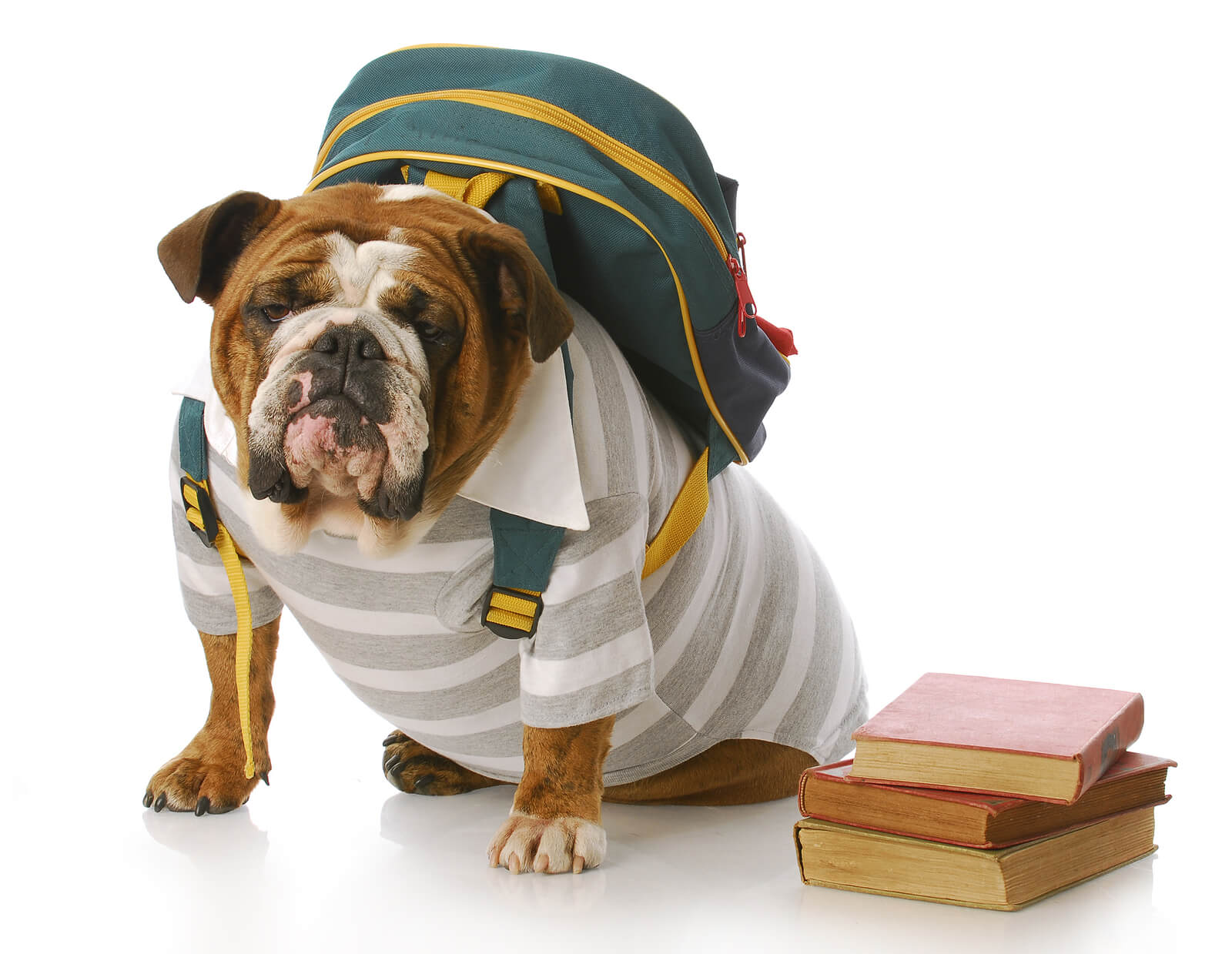
Why Do Dogs Miss the Kids When They Go Back to School?
Dogs are creatures of habit. During the summer, your dog may have become accustomed to having the kids around throughout the day. They may have enjoyed extra walks, games of fetch, backyard adventures, and plenty of attention.
When school starts, that routine changes almost overnight.
Your dog may not understand why the kids suddenly disappear every morning. They simply know that the people they spend so much time with are no longer home.
Changes in routine can sometimes lead to boredom or stress. That’s why preparing your dog for the school-year schedule can make the transition easier.
1. Start Adjusting Your Dog’s Routine Before School Starts
One of the best ways to prepare your dog for back-to-school season is to gradually change their routine before the first day.
If your family has been sleeping late and staying up later during summer, start shifting bedtime and wake-up times toward the school-year schedule.
You can also begin introducing longer periods when your dog is home without the kids.
A predictable routine helps dogs know what to expect. Consistent meal times, walks, playtime, and rest can make the school-day schedule feel more normal.
2. Give Your Dog Exercise Before the Kids Leave
Morning exercise can be one of the best ways to help a dog settle down while everyone is at school.
Take your dog for a walk before the family leaves or spend some time playing together in the yard. You can also incorporate a few minutes of obedience training or interactive games to provide mental stimulation.
A dog who has had the opportunity to exercise and explore may be more likely to relax and sleep during the quieter parts of the day.
Even a short walk can provide valuable physical and mental stimulation.
3. Keep Your Dog Mentally Stimulated While You’re Away
Physical exercise isn’t the only way to prevent dog boredom.
When your dog is home alone, provide safe activities that give them something interesting to do. Puzzle toys, food-dispensing toys, and appropriate chew toys can help keep your dog’s mind occupied.
Consider rotating toys throughout the week. Instead of leaving every toy available all the time, offer different options on different days to keep things interesting.
Always choose toys that are appropriate for your dog’s size, chewing habits, and individual needs, particularly if your dog will be unsupervised.
4. Make Leaving the House No Big Deal
For dogs who struggle when their family leaves, dramatic goodbyes can sometimes make departures more difficult.
Try keeping your morning routine calm and predictable. Give your dog a little attention, make sure they have fresh water and a safe activity, and leave without turning the departure into a major event.
The same goes for when you return home. While it’s wonderful to see your dog excited to greet you, keeping arrivals relatively calm can reinforce the idea that people leaving and returning is simply part of the daily routine.
5. Schedule a Midday Dog Walk
If your dog will be home alone for several hours while the kids are at school, a midday dog walk can be a great way to break up the day.
A professional dog walker can provide exercise, bathroom breaks, companionship, and mental stimulation while the rest of the family is away.
For energetic dogs, puppies, seniors who need more frequent bathroom breaks, or dogs who simply don’t enjoy being alone all day, a midday visit can make a significant difference.
Instead of spending the entire school day waiting for everyone to come home, your dog gets a chance to stretch their legs, explore, and enjoy some one-on-one attention.
6. Give Your Dog Quality Time After School
Going back to school doesn’t have to mean your dog gets less attention overall.
When the kids come home, encourage them to spend some dedicated time with their four-legged friend.
They could:
- Take the dog for a walk
- Play fetch or tug
- Practice basic training
- Play with a puzzle toy
- Spend time relaxing together
- Help with feeding or grooming
These small moments can help maintain the bond between your dog and the kids even when everyone’s schedule becomes busier.
7. Create a Comfortable Space for Your Dog
Your dog should have a comfortable place where they can relax while the house is quiet.
This might be a favorite bed, crate, or quiet area of the home. Some dogs enjoy looking out a window, while others prefer a cozy space away from household activity.
Give your dog access to whatever environment makes them feel comfortable and secure.
If your dog becomes anxious when left alone, however, simply creating a designated space may not solve the underlying problem. Dogs experiencing significant separation anxiety may need additional support.
8. Watch for Signs of Separation Anxiety
It’s normal for your dog to notice that the kids aren’t around as much. However, persistent or severe behavioral changes may indicate that your dog is struggling with being alone.
Watch for signs such as:
- Excessive barking or whining
- Destructive behavior
- Pacing or restlessness
- Excessive drooling
- Attempts to escape
- Accidents in the house despite being house-trained
- Significant distress when family members leave
If you’re concerned about your dog’s behavior, talk with your veterinarian or a qualified canine behavior professional. Separation anxiety can be a serious issue, and professional guidance can help determine the best approach for your dog.
9. Let the Kids Help With the New Routine
Back-to-school preparation doesn’t have to be something the adults handle alone.
Getting kids involved can help them understand that their dog is also adjusting to the new schedule.
Before school starts, have the kids help establish a morning routine. They can take the dog outside, go for a short walk, play together, or spend a few minutes practicing commands.
This gives your dog positive attention before everyone leaves and gives the kids a chance to spend meaningful time with their best friend.
10. Consider Professional Dog Care
Sometimes a busy school and work schedule makes it difficult to give your dog all the exercise and companionship they need during the day.
That’s where professional pet care can help.
A regular dog-walking or pet-care visit can give your dog something positive to look forward to during the school day. It can also help families maintain a consistent exercise and bathroom schedule when life gets busy.
For dogs who don’t do well spending long periods alone, adding a midday visit may be one of the easiest ways to make the transition back to school more comfortable.
Helping Your Dog Adjust to Back-to-School Season
When the kids go back to school, your dog may need some time to adjust to the new routine. A quieter house doesn’t have to mean a lonely or boring day.
With regular exercise, mental stimulation, predictable routines, quality family time, and the right amount of companionship, you can help your dog feel happy and secure even when the kids are away.
Remember that every dog is different. Some pups will happily spend the morning sleeping on the couch, while others need more exercise, interaction, or structure to stay content.
The key is to pay attention to your dog’s individual needs and make their well-being part of your family’s back-to-school plan.
After all, your dog may not be carrying a backpack to school—but they’re still an important member of the family.