
When temperatures drop and daylight gets shorter, it’s easy for routines to change. But dogs still need regular physical movement and mental stimulation throughout the winter months to stay healthy and balanced. With a little planning, cold weather can be a great opportunity to introduce new activities that support your dog’s overall well-being.
Below are some of the best cold-weather activities to keep your dog active, engaged, and healthy, both outdoors and indoors.
Outdoor Cold-Weather Activities for Dogs
Spending time outside during winter provides valuable sensory enrichment and physical exercise, as long as safety remains a priority.
Winter Walks With Added Engagement
Cold-weather walks are still one of the most effective ways to maintain your dog’s health. To make them more beneficial:
-
Choose different routes to expose your dog to new sights and smells
-
Incorporate short training cues such as sit, stay, or heel
-
Allow time for sniffing, which provides important mental stimulation
Shorter, more frequent walks may be more comfortable than long outings in very cold conditions.
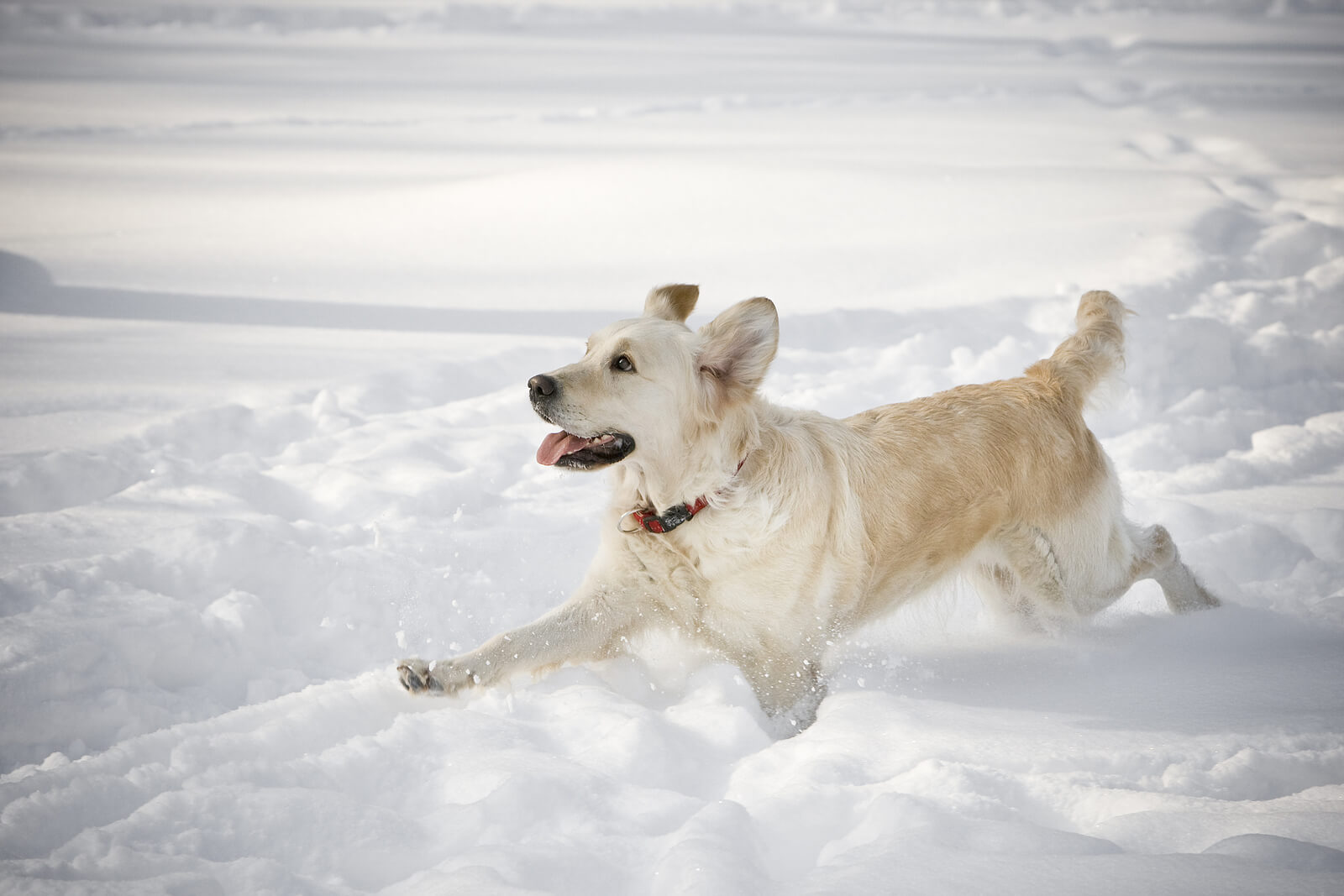
Snow Play and Exploration
For dogs that enjoy snow, supervised play can be a great workout:
-
Allow your dog to explore, dig, or move through fresh snow
-
Play short games of fetch using easily visible toys
-
Practice recall in a secure, enclosed area
Always check your dog’s paws afterward for ice, snow buildup, or salt residue.
Outdoor Conditioning and Strength-Building
Low-impact outdoor activities help maintain muscle tone and joint health during winter:
-
Walking uphill or on gentle inclines
-
Slow, controlled leash walking
-
Practicing wide turns or figure-eight patterns
These activities are especially beneficial for senior dogs and breeds prone to joint issues.
Indoor Activities for Cold Days
On days when weather limits outdoor time, indoor activities can provide excellent physical and mental exercise.
Brain Games and Puzzle Toys
Mental stimulation is just as important as physical activity. Try:
-
Treat-dispensing puzzle toys
-
Hiding treats or toys for scent-based games
-
Simple DIY puzzles using household items
Even short sessions of mental enrichment can significantly reduce boredom and excess energy.
Indoor Fetch and Tug Games
With proper supervision, indoor play can be both safe and effective:
-
Use hallways or open spaces for gentle fetch
-
Play tug games that reinforce impulse control
-
Roll toys along the floor instead of throwing them
These games help maintain strength while reinforcing good behavior.
Training Refreshers and Skill Building
Winter is an ideal time to reinforce training or teach new skills:
-
Review basic obedience commands
-
Teach fun tricks that encourage movement and focus
-
Introduce nose work or scent games
Training supports mental health, builds confidence, and strengthens the bond between you and your dog.
Supporting Your Dog’s Health Throughout Winter
Cold-weather activities do more than burn energy. They help maintain healthy weight, support joint mobility, and reduce stress and anxiety during seasonal changes.
Additional winter considerations include:
-
Adjusting food intake if activity levels change
-
Ensuring access to fresh water, as dogs may drink less in colder months
-
Watching for signs of stiffness, fatigue, or discomfort
Winter may limit certain activities, but it doesn’t have to limit your dog’s health or happiness. By combining safe outdoor adventures with engaging indoor enrichment, you can help your dog stay active, mentally sharp, and content all season long.
A consistent routine and thoughtful activity choices go a long way toward keeping your dog healthy, no matter the temperature outside.